

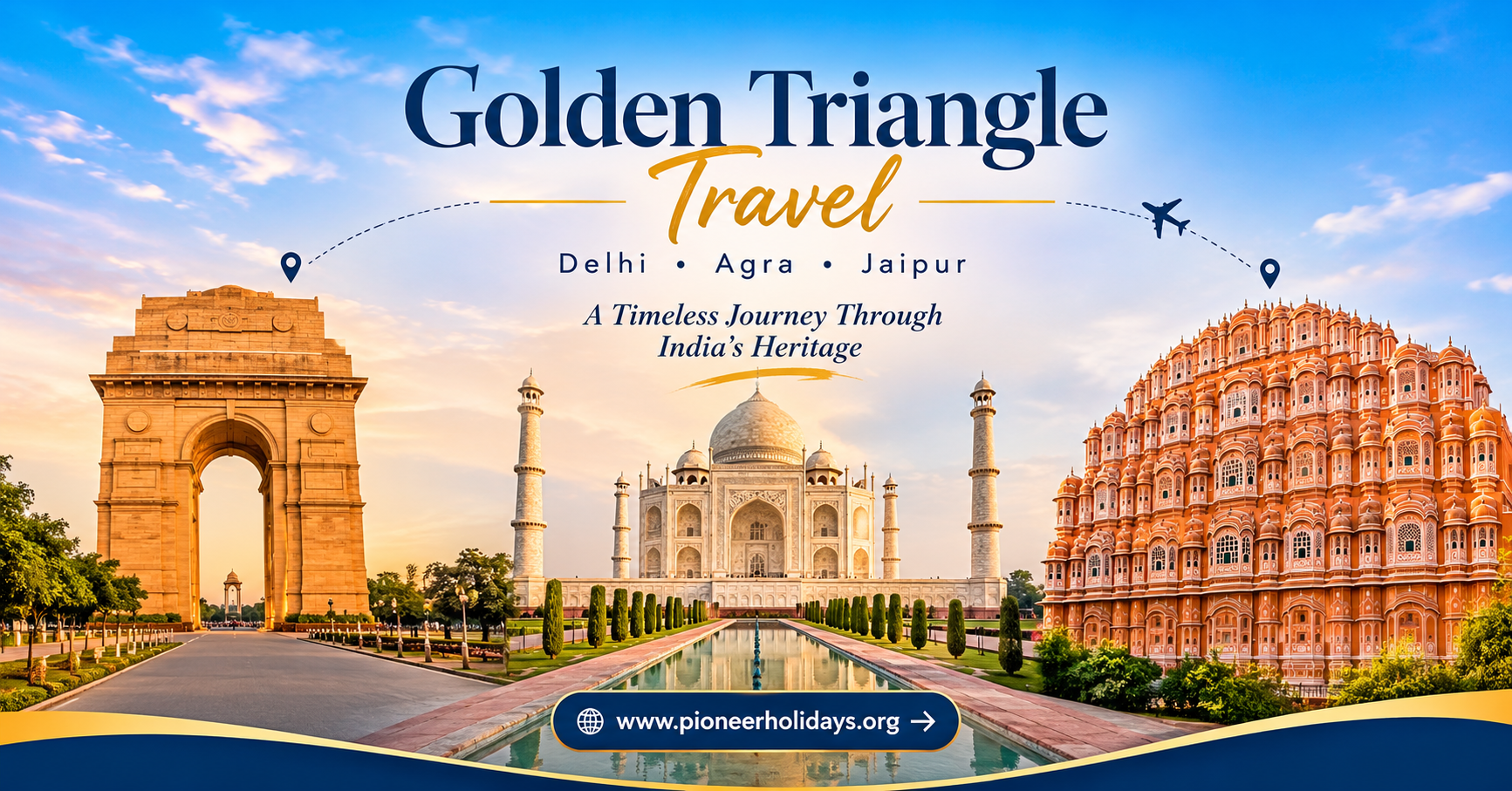

Exploring Delhi, Agra, and Jaipur in one trip is an excellent way to experience India's history, architecture, food, and cultural diversity. Each city offers something different: Delhi combines historic landmarks with a lively modern atmosphere, Agra is famous for its Mughal monuments, and Jaipur introduces visitors to Rajasthan's royal heritage. Well-planned Golden Triangle Tour Packages connect these destinations in a practical route, making it easier for travelers to experience their highlights within one holiday.
However, enjoying all three cities requires more than simply choosing places on a map. Travel time, sightseeing priorities, accommodation, and the length of the trip all influence the experience. With a realistic itinerary and suitable transport, visitors can explore the region comfortably without making every day feel rushed.
1. Start in Delhi and Discover Its Historic Highlights
Delhi is a natural starting point for many Golden Triangle journeys because it has major international transport connections and a wide range of historic attractions. The city reflects several periods of Indian history, with monuments, religious sites, markets, and modern neighborhoods.
First-time visitors can explore Qutub Minar, Humayun's Tomb, India Gate, and the Red Fort. Old Delhi offers a different atmosphere, with narrow lanes, traditional shops, and local food experiences. Depending on available time, travelers can also visit Jama Masjid and explore the surrounding historic area.
It is useful to group nearby attractions together rather than crossing the city repeatedly. Delhi traffic can be unpredictable, so allow extra time between sightseeing stops. If you arrive after a long international flight, consider keeping the first day relatively light.
2. Travel from Delhi to Agra for Mughal Heritage
Agra is approximately 230 kilometres from Delhi by road, although actual travel time depends on traffic and the starting point. Many visitors travel by private car or train. The Yamuna Expressway provides a convenient road connection, while trains can be a suitable alternative for travelers who prefer rail transport.
The Taj Mahal is the main attraction, but Agra has more to offer. Built by Emperor Shah Jahan in memory of Mumtaz Mahal, the monument is admired for its white marble, balanced design, and intricate decorative work. An early morning visit can provide pleasant sightseeing conditions and beautiful natural light.
Agra Fort deserves a place in the itinerary as well. Its courtyards, palaces, and defensive structures help explain the power and lifestyle of the Mughal rulers. Visitors with additional time can also explore Itimad-ud-Daulah's Tomb.
To make the most of Agra, avoid scheduling too many monuments in a short window. Allow time for security checks, walking, photography, and a meal break.
3. Continue to Jaipur for Rajasthan's Royal Culture
The journey from Agra to Jaipur covers roughly 240 kilometres, with travel time depending on traffic and stops. Jaipur offers a different architectural and cultural experience from Delhi and Agra. Its forts, palaces, traditional crafts, and colorful markets reflect the royal heritage of Rajasthan.
Amber Fort is one of the city's most impressive landmarks. Set on a hill outside the main urban area, it features grand gateways, courtyards, and decorated halls. City Palace provides insight into Jaipur's royal history, while Hawa Mahal is known for its distinctive façade and numerous small windows.
Visitors interested in science and history can also explore Jantar Mantar, an astronomical observatory built by Maharaja Sawai Jai Singh II.
Jaipur's markets are worth exploring if time permits. Visitors can find textiles, jewelry, handicrafts, and traditional souvenirs. However, it is sensible to compare prices and check product quality before making purchases.
4. How to Choose the Right Golden Triangle Tour Packages
The best itinerary depends on how much time you have and how deeply you want to explore each city. A short trip can cover the major highlights, but a longer stay generally provides a more relaxed experience.
-
Two days: A 2 Days Golden Triangle Tour is a very compact option. Expect limited sightseeing and substantial travel time.
-
Three days: A 3 Days Golden Triangle Tour can introduce visitors to the main attractions, although the schedule remains busy.
-
Four days: A 4 Days Golden Triangle Tour offers a more balanced opportunity to explore the three cities.
-
Five days: A 5 Days Golden Triangle Tour allows additional time for sightseeing and local experiences.
-
Six days: A 6 Days Golden Triangle Tour may suit travelers who prefer a slower pace and more flexibility.
Before booking, compare the daily schedule, hotel locations, transport arrangements, guide services, and included expenses. A clearly explained itinerary makes it easier to understand what the trip will involve.
5. Extend Your Journey Beyond the Three Main Cities
Travelers with extra holiday time can add destinations that introduce different aspects of India. These extensions are useful for visitors who want more than the classic Delhi–Agra–Jaipur route.
Wildlife lovers may enjoy a Golden Triangle Tour with Ranthambore, which adds a national park experience. Those interested in spiritual traditions can consider a Golden Triangle Tour with Varanasi.
A Golden Triangle Tour with Amritsar introduces visitors to the city's important Sikh heritage and the Golden Temple. For lakeside scenery and royal architecture, a Golden Triangle Tour with Udaipur is another option.
Visitors interested in exploring more of Rajasthan can choose a Golden Triangle Tour with Jodhpur and Udaipur. A longer Golden Triangle Tour with Rajasthan provides an opportunity to discover more of the state's historic cities and regional character.
6. Practical Planning Tips for a Smooth Trip
A few simple decisions can make the journey easier and more enjoyable:
-
Choose the right season: October to March is generally comfortable for sightseeing in North India. Summer afternoons can be very hot.
-
Plan realistic driving times: Allow extra time for traffic, rest stops, and unexpected delays.
-
Book major arrangements ahead: Confirm hotels, transport, and guide services, particularly during busy travel periods.
-
Check monument schedules: Opening days, visiting hours, and entry requirements can vary. Verify current details before visiting.
-
Pack for walking: Comfortable shoes, sun protection, and a reusable water bottle are useful for long sightseeing days.
-
Keep some free time: A flexible schedule makes room for local food, markets, photography, and unexpected discoveries.
Frequently Asked Questions
1. How many days are enough to visit Delhi, Agra, and Jaipur?
Four to five days can provide a reasonable balance between travel and sightseeing. Shorter trips are possible, but they require a faster schedule.
2. What is the most convenient way to travel between the three cities?
Private road transport offers flexibility for sightseeing and stops along the way. Trains are another option, particularly between Delhi and Agra. The best choice depends on budget, schedule, and personal preference.
3. Can the itinerary be customized for families or senior travelers?
Yes. A private itinerary can often be adjusted to include shorter sightseeing days, convenient hotel locations, suitable transport, and additional rest breaks. Discuss mobility needs and preferences before confirming arrangements.
Conclusion
Exploring Delhi, Agra, and Jaipur in one trip is a rewarding way to experience North India's history and cultural diversity. The best Golden Triangle Tour Packages combine a realistic schedule with enough time to appreciate each city's major attractions. By choosing suitable transport, planning sightseeing carefully, and allowing room for local experiences, travelers can enjoy a more comfortable and memorable journey.
For visitors planning a customized route, Pioneer Holidays offers different itinerary durations and extensions to help travelers organize their India holiday around their available time and interests.

