

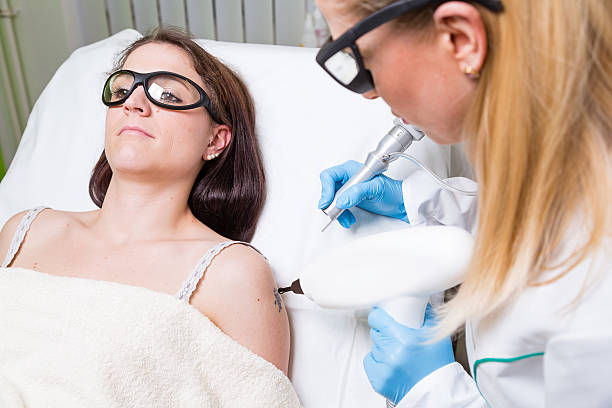

Tattoos are designed to remain on the skin for many years, but personal preferences and lifestyles can change. Whether you have an unwanted design, an outdated tattoo, or ink that no longer represents your personality, modern dermatological treatments offer an effective way to reduce its appearance. Laser Tattoo Removal in Riyadh is a widely used procedure that uses advanced laser technology to target permanent ink beneath the skin. By breaking tattoo pigments into smaller particles, this treatment allows the body's natural immune system to gradually eliminate the unwanted ink, helping the tattoo become lighter over multiple sessions.
Many people wonder whether laser treatment can completely remove permanent tattoo ink or simply make it less noticeable. The effectiveness depends on several factors, including tattoo colour, ink depth, pigment density, and individual skin characteristics. Laser Tattoo Removal in Riyadh offers a targeted approach to unwanted tattoos by delivering controlled light energy into the skin without surgically removing the tattooed area. Although significant fading and even complete clearance may be possible in some cases, results vary depending on the tattoo and the laser technology used.
How Effective Is Laser Tattoo Removal?
Laser tattoo removal is considered one of the most effective non-surgical methods for reducing unwanted tattoo pigments. The procedure uses specialised laser wavelengths to target ink particles within the dermis. When the pigments absorb laser energy, they break into smaller fragments that can gradually be processed by the body's immune system.
The treatment can produce noticeable fading over several sessions. Some tattoos may become almost completely invisible, while others may retain faint outlines or traces of pigment. Complete removal cannot be guaranteed because different inks and tattooing techniques respond differently to laser energy.
Can Laser Tattoo Removal Completely Remove Permanent Ink?
Yes, complete tattoo removal is possible in certain cases, but it is not guaranteed for every individual. The final outcome depends on how deeply the ink was deposited, the type of pigment used, and how effectively the body clears fragmented particles.
Factors That Influence Complete Ink Removal
-
Tattoo colour: Black and dark blue inks generally respond better to laser treatment because they absorb specific laser wavelengths effectively.
-
Ink composition: Some pigments contain compounds that are more difficult to break down, making complete clearance challenging.
-
Tattoo depth: Ink deposited deeper into the skin may require additional treatment sessions.
-
Tattoo density: Heavily inked designs usually take longer to fade than tattoos containing lighter pigment.
-
Skin characteristics: Skin tone and individual healing responses influence laser selection and treatment outcomes.
How Does Laser Technology Remove Permanent Tattoo Ink?
Laser tattoo removal uses concentrated light energy to break down pigments beneath the skin. The process involves several stages that work together to gradually reduce the appearance of unwanted tattoos.
1. Laser Energy Targets Tattoo Pigments
The specialist selects an appropriate laser wavelength according to the tattoo's colours and the individual's skin characteristics. Short pulses of light penetrate the skin and are absorbed by the targeted ink particles.
2. Ink Particles Break Into Smaller Fragments
Once the pigments absorb the laser energy, they break into smaller fragments. This makes the ink easier for the body's natural defence system to process.
3. The Immune System Clears Fragmented Ink
Specialised immune cells gradually absorb and transport the fragmented pigment particles away from the treated area. This natural process continues for several weeks following each treatment session.
4. The Tattoo Gradually Fades
As the body removes more pigment particles, the tattoo becomes progressively lighter. Repeated sessions help target the remaining ink and improve the overall appearance of the treated area.
Which Tattoo Colours Respond Best to Laser Removal?
Tattoo colour plays an important role in determining treatment effectiveness because different pigments absorb different wavelengths of laser energy.
Black and Dark Blue Tattoos
Black and dark blue tattoos generally respond well to laser treatment. These pigments absorb commonly used laser wavelengths effectively, making them comparatively easier to fade.
Red and Orange Tattoos
Red and orange pigments may respond to specialised laser wavelengths. The effectiveness depends on the specific ink composition and the technology selected.
Green and Yellow Tattoos
Green and yellow pigments can be more challenging to remove because they require particular wavelengths. Some may respond better to specialised picosecond laser systems.
White and Flesh-Coloured Tattoos
White and flesh-coloured pigments can be difficult to treat. Certain ingredients may undergo oxidation during laser exposure, potentially causing the tattoo to darken instead of fade. A professional assessment is particularly important before treatment.
How Many Sessions Are Required for Permanent Ink Removal?
Laser tattoo removal generally requires multiple sessions because one treatment cannot usually break down all the pigment deposited within the skin. The number of sessions depends on the tattoo's size, colour, age, depth, and ink density.
Professional tattoos may require more sessions because they often contain concentrated pigments deposited deeper into the skin. Amateur tattoos sometimes respond more quickly because their ink distribution and density may be different.
Treatment sessions are usually separated by several weeks to allow the skin to recover and the immune system to clear fragmented ink particles. A dermatologist can assess the tattoo and recommend an appropriate treatment schedule.
What Are the Signs That Laser Tattoo Removal Is Working?
Understanding the signs of progress can help you develop realistic expectations throughout your treatment journey.
-
Gradual fading: The tattoo may appear lighter as the body removes fragmented ink particles.
-
Reduced pigment intensity: Dark or heavily coloured areas may gradually become less noticeable.
-
Uneven fading: Different colours and sections of a tattoo may respond at different rates.
-
Changes between sessions: Continued fading may occur for several weeks after each treatment.
-
Improved skin appearance: As the ink becomes less visible, the natural appearance of the surrounding skin may become more noticeable.
Is Laser Tattoo Removal Safe for Different Skin Types?
Laser tattoo removal can be performed on different skin types when the appropriate technology and settings are selected. However, darker skin tones require particular attention because natural melanin can also absorb laser energy, increasing the possibility of pigmentation changes.
A qualified dermatologist evaluates skin tone, tattoo characteristics, and medical history before selecting a suitable treatment approach. Possible side effects include temporary redness, swelling, blistering, tenderness, and changes in skin pigmentation. Following professional aftercare instructions helps reduce the risk of complications.
How Can You Improve Laser Tattoo Removal Results?
Although individual results vary, certain precautions can support better treatment outcomes and skin recovery.
-
Choose an experienced specialist: Professional assessment helps ensure appropriate laser selection and treatment settings.
-
Follow the recommended schedule: Allow sufficient time between sessions for healing and natural pigment clearance.
-
Protect treated skin: Avoid unnecessary sun exposure and follow recommended sun protection measures.
-
Avoid picking the skin: Do not scratch blisters or remove scabs because this may increase the risk of scarring.
-
Maintain proper aftercare: Follow your dermatologist's instructions to support healing and reduce irritation.
Book Your Appointment at Royal Clinic Saudia
If you are considering removing an unwanted tattoo, professional guidance can help you understand the available treatment options. Royal Clinic Saudia provides personalised dermatological consultations to evaluate tattoo pigments, skin characteristics, and individual treatment goals. Book an appointment to discuss your concerns and receive professional guidance about your tattoo removal journey.
FAQs:
Is Laser Tattoo Removal 100% Effective?
Laser tattoo removal can significantly fade unwanted tattoos, and some tattoos can be completely cleared. However, complete removal is not guaranteed because results depend on ink colour, depth, density, and individual skin response.
Does Permanent Tattoo Ink Come Back After Laser Removal?
Once fragmented ink particles are cleared by the immune system, the removed pigment does not normally return. However, some residual ink may remain visible if the tattoo has not been completely cleared.
Which Tattoos Are the Most Difficult to Remove?
Green, yellow, white, and certain flesh-coloured tattoos can be more challenging to remove. Professional tattoos with dense pigment deposits may also require additional treatment sessions.
Can Laser Tattoo Removal Damage Natural Skin?
Laser tattoo removal can cause temporary redness, swelling, and pigmentation changes. When performed by a qualified professional using appropriate settings, the risk of significant skin damage can be reduced, although scarring and other complications remain possible.

