

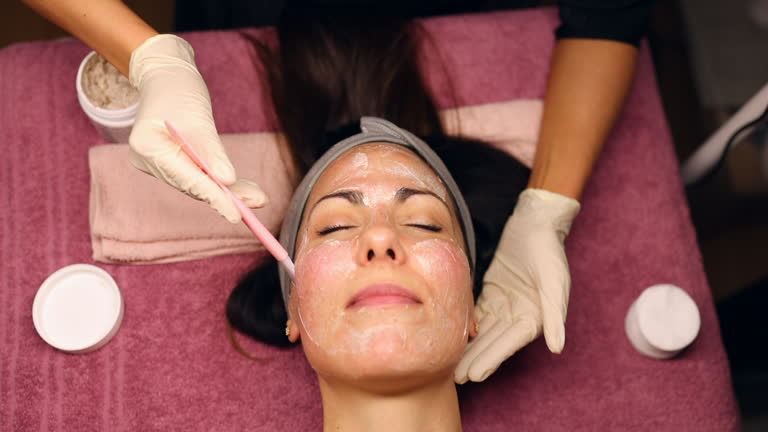

Choosing an exfoliating treatment requires more than identifying a skin concern. Natural skin tone, pigment response, sensitivity, and previous reactions all influence how the skin may respond. When considering a Chemical Peel in Dubai, people with Fitzpatrick skin types IV–VI need careful treatment selection because inflammation can increase the likelihood of post-inflammatory hyperpigmentation.
Darker skin tones can benefit from professionally selected chemical peels, but the approach should be individualised. A stronger formulation or deeper treatment is not automatically more effective. Understanding the relationship between skin phototype, acid selection, and pigment risk helps patients make informed decisions.
Understanding Fitzpatrick Skin Types IV–VI
The Fitzpatrick scale classifies skin according to its response to ultraviolet exposure, including its tendency to burn or tan. Types IV–VI generally describe skin that tans more readily and has progressively greater natural pigmentation.
The scale is useful during treatment planning, but it is not a complete measure of skin sensitivity or pigment risk. Two people with the same phototype may respond differently to an exfoliating procedure.
Fitzpatrick Type IV
Type IV skin is often described as light brown or olive and tends to tan readily, with a lower tendency to burn than lighter phototypes.
Patients may still develop post-inflammatory pigmentation after acne, irritation, or cosmetic procedures. Treatment planning should consider previous pigment changes rather than relying on skin colour alone.
Fitzpatrick Type V
Type V skin is commonly described as brown and generally has a high tendency to tan. It may also develop persistent dark marks after inflammation.
A conservative approach may be appropriate when considering exfoliation, especially in patients with melasma or a history of pigmentation after minor skin irritation.
Fitzpatrick Type VI
Type VI skin is generally very deeply pigmented and has a strong natural tendency to tan. Pigment changes can remain a concern following inflammation or injury.
This phototype does not automatically exclude a patient from chemical peel treatment. However, careful assessment, suitable formulation selection, and professional follow-up are important.
Read More: Crown Hair Transplant in Dubai: Why Crown Coverage Requires Precision
Why Post-Inflammatory Hyperpigmentation Matters
Post-inflammatory hyperpigmentation, or PIH, develops when inflammation stimulates increased melanin production or changes its distribution within the skin.
It may appear as brown, dark brown, or greyish marks after acne, eczema, irritation, burns, or cosmetic procedures.
Chemical peels intentionally produce a controlled skin response. If the reaction is excessive or the treatment is unsuitable, inflammation may contribute to new or more noticeable pigmentation.
Factors that may increase concern include:
-
Previous dark marks after acne or minor injuries.
-
Existing melasma or uneven pigmentation.
-
Active irritation or a weakened skin barrier.
-
Recent tanning or significant sun exposure.
-
Inappropriate treatment depth.
-
Combining several irritating skincare products.
A patient's history of pigment changes is therefore an important part of the consultation.
Selecting an Appropriate Acid Formulation
Different acids have different properties and are used for different skin concerns. No ingredient is universally safest for all Fitzpatrick types IV–VI.
The clinician should consider the treatment objective, skin condition, formulation, and expected recovery before selecting a peel.
Mandelic Acid
Mandelic acid is an alpha hydroxy acid used in some professional exfoliating formulations. It may be considered for selected patients who need a carefully planned approach to surface exfoliation.
Its suitability depends on the complete formulation and individual skin response, not simply the name of the acid.
Lactic Acid
Lactic acid is another alpha hydroxy acid that supports surface exfoliation. It may be considered when addressing selected concerns involving dullness and uneven texture.
Patients with sensitive or pigment-prone skin still require appropriate assessment because even relatively gentle formulations can cause irritation.
Glycolic Acid
Glycolic acid is commonly used to improve surface texture and selected forms of superficial pigmentation. Its suitability depends on the patient's tolerance and the intended treatment depth.
The clinician must balance the potential benefits against the possibility of irritation and pigment changes.
Salicylic Acid
Salicylic acid is oil-soluble and is often considered for acne-prone or congested skin. It may help address selected pore-related concerns, but it can also cause dryness or irritation.
The patient's acne severity, skin barrier, and existing skincare routine should be reviewed before treatment.
Why Peel Depth Is as Important as Acid Choice
Selecting an appropriate acid is only one part of treatment planning. The depth and intensity of the peel also influence the skin's response.
A superficial treatment may be considered for selected surface concerns, while deeper procedures involve more recovery and may carry greater risks.
For patients with darker skin tones, the clinician may prioritise a conservative approach when pigment alteration is a concern. A more intensive treatment should never be chosen solely to accelerate visible results.
Preparing Pigment-Prone Skin Before Treatment
Preparation may help reduce avoidable irritation in selected patients, although it cannot eliminate the risk of pigmentation changes.
A dermatologist may recommend:
-
Reviewing existing prescription and non-prescription skincare.
-
Supporting the skin barrier with suitable moisturising products.
-
Establishing consistent broad-spectrum sun protection.
-
Addressing active irritation before treatment.
-
Considering clinician-selected pigmentation treatments where appropriate.
-
Avoiding recent tanning and unnecessary exfoliation.
Patients should not independently start strong acids, retinoids, or pigment-lightening products before a peel. Any changes to prescribed medication should be discussed with the treating clinician.
Aftercare for Fitzpatrick Types IV–VI
Post-treatment care is important because inflammation and sun exposure can contribute to pigment changes during recovery.
Patients should follow the clinician's instructions and avoid experimenting with new products while the skin is sensitive.
Important considerations include:
-
Using gentle cleansing products.
-
Applying suitable moisturiser as advised.
-
Following consistent broad-spectrum sun protection.
-
Considering tinted sunscreen with iron oxides when visible-light protection is recommended.
-
Avoiding picking, scrubbing, or removing peeling skin.
-
Delaying exfoliating products until the clinician confirms they can be resumed.
Unexpected pain, worsening redness, blistering, or signs of infection should be reported promptly.
How to Assess Whether a Chemical Peel Is Suitable
A consultation should go beyond identifying a Fitzpatrick category. The clinician needs to understand how the skin behaves and whether the proposed procedure is appropriate.
Important assessment points include:
-
Natural skin tone and phototype.
-
History of PIH, melasma, or uneven pigmentation.
-
Current acne, inflammation, or sensitivity.
-
Previous reactions to chemical exfoliation.
-
Current skincare and prescription treatments.
-
Recent tanning and sun exposure.
-
The specific concern the patient wants to improve.
A test area may be considered in selected cases, but it does not guarantee that the full treatment will be free from complications.
Clinic Note: Darker skin tones can be suitable for selected chemical peels, but pigment history and skin response should guide treatment decisions. At Tajmeels Clinic, an individual assessment can help determine whether exfoliation is appropriate and what level of treatment is reasonable.
Frequently Asked Questions
Can Fitzpatrick type VI skin receive a chemical peel?
Some patients with type VI skin may be suitable for carefully selected peels. A dermatologist should assess skin condition, pigment history, and the risk of post-inflammatory hyperpigmentation.
Which acid is safest for darker skin?
There is no single acid that is safest for everyone. Formulation, treatment depth, skin sensitivity, and previous reactions all influence suitability.
Do chemical peels cause hyperpigmentation?
They can. Inflammation following an unsuitable or overly aggressive treatment may trigger post-inflammatory hyperpigmentation, particularly in people who are prone to dark marks.
Is a superficial peel always safer than a medium-depth peel?
Superficial treatments generally involve less penetration and recovery, but they are not risk-free. Suitability depends on the individual and the specific formulation.
Can sunscreen reduce the risk of pigmentation after a peel?
Consistent sun protection helps reduce exposure-related pigment stimulation. It is an important part of aftercare, although it cannot prevent every possible complication.
Discuss Personalised Chemical Peel Options at Tajmeels Clinic
Skin phototype is an important consideration, but it should never be the only factor used to select a chemical peel. Understanding pigmentation history, sensitivity, and the condition being treated helps establish a more appropriate approach.
Tajmeels Clinic provides an opportunity to discuss skin concerns and personalised aesthetic treatment options in Dubai. A professional consultation can help determine whether a chemical peel is suitable for your skin and explain the precautions involved.

