

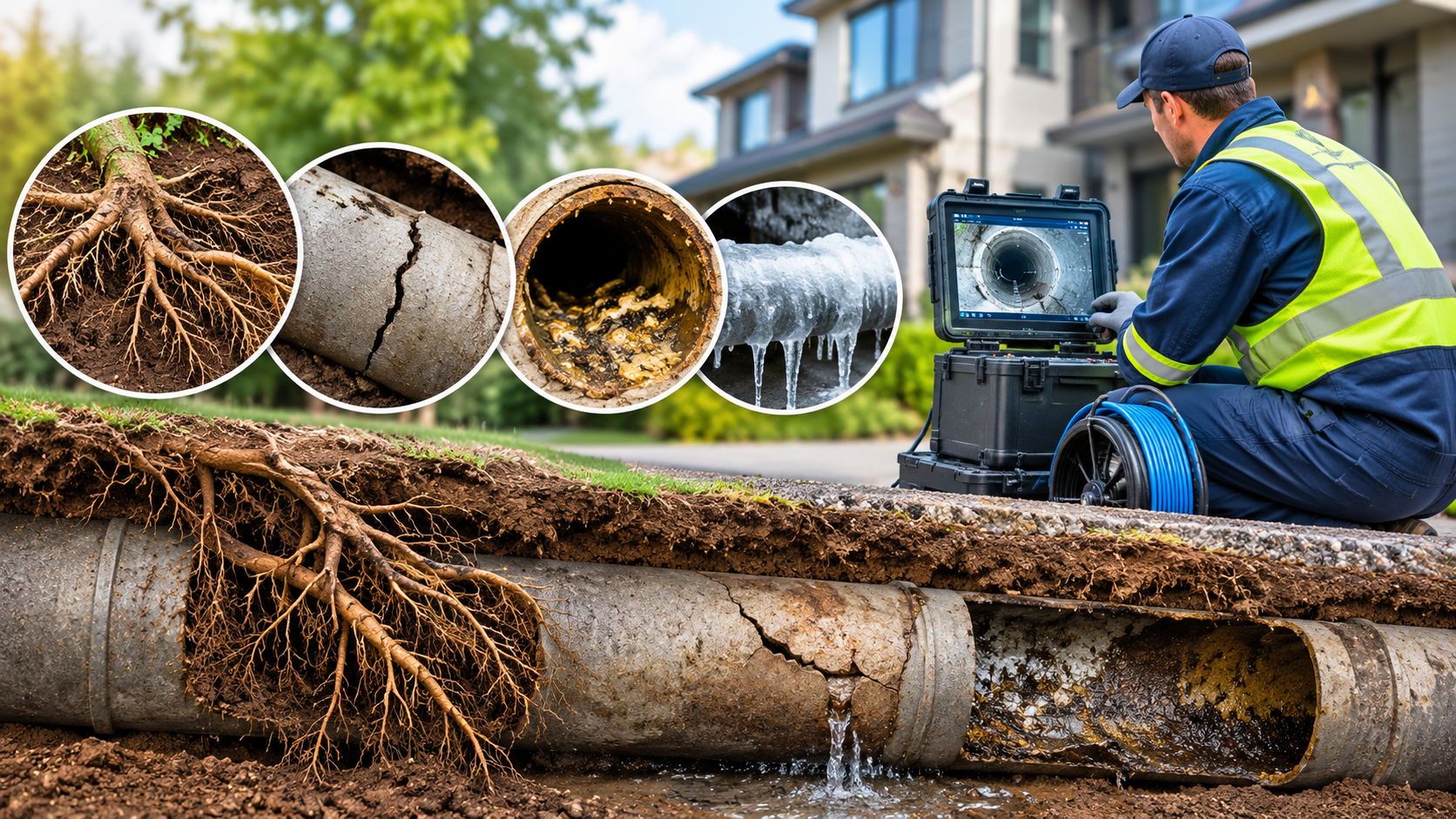
Sewer lines play an essential role in maintaining the safety, hygiene, and functionality of residential and commercial properties. However, underground sewer pipes can develop problems over time due to aging infrastructure, ground movement, tree roots, and changing weather conditions. In Calgary, seasonal temperature fluctuations and freeze-thaw cycles can create additional challenges for underground plumbing systems.
Understanding the common causes of sewer line damage can help property owners recognize warning signs early and seek appropriate solutions. While minor drainage issues may sometimes be resolved through routine maintenance, certain problems require professional sewer line repair in Calgary to prevent extensive damage and costly disruptions.
1. Tree Root Intrusion
Tree roots are one of the most common causes of underground sewer pipe damage. Roots naturally grow toward moisture and nutrients, making sewer lines attractive targets when small cracks or loose joints allow water to escape.
Once roots enter a pipe, they can gradually expand and obstruct wastewater flow. This may result in slow drains, recurring blockages, unpleasant odors, and sewage backups.
Older sewer systems made from clay or concrete are particularly vulnerable to root intrusion because their joints may deteriorate over time.
Professional repair solutions:
-
Mechanical root removal to clear obstructions.
-
CCTV sewer inspections to identify damaged sections.
-
Trenchless pipe lining or replacement when the pipe structure is compromised.
Removing roots without addressing the underlying pipe damage may only provide temporary relief.
2. Cracked, Broken, or Collapsed Sewer Pipes
Sewer pipes can develop cracks or fractures because of aging materials, excessive ground pressure, shifting soil, or heavy vehicle traffic above buried lines. In severe cases, sections of the pipe may collapse completely.
Calgary's changing ground conditions can contribute to pipe movement, particularly where soil expands, contracts, or becomes saturated with moisture.
Damaged pipes may allow wastewater to escape into surrounding soil or permit groundwater to enter the sewer system. This can reduce drainage capacity and potentially cause soil erosion or property damage.
Warning signs include:
-
Repeated sewer backups.
-
Persistent sewage odors around the property.
-
Wet or unusually soft ground near buried sewer lines.
-
Sinkholes or depressions developing in the yard.
Professional sewer line repairs may involve replacing the damaged section, using pipe lining, or installing a new pipe through trenchless methods where suitable.
3. Sewer Line Blockages and Grease Buildup
Sewer blockages frequently occur when grease, food waste, hair, sanitary products, and other debris accumulate inside drainage pipes.
Although these materials may initially pass through individual drains, they can gradually collect within the sewer line and restrict wastewater movement.
Grease is particularly problematic because it can cool and solidify inside pipes, trapping other materials and creating stubborn obstructions.Common symptoms include gurgling sounds, slow drainage across multiple fixtures, and wastewater backing up into lower-level drains.
Routine drain cleaning may resolve minor blockages. However, recurring obstructions can indicate deeper structural problems, root intrusion, or improperly installed pipes.Professional inspections help determine whether cleaning is sufficient or whether more extensive sewer line repair in Calgary is necessary.
4. Pipe Misalignment and Ground Movement
Underground sewer pipes must maintain proper alignment and slope to allow wastewater to flow efficiently.
Ground movement, poor installation, or deteriorating pipe joints can cause sections to shift out of position. When this happens, wastewater may collect in low areas instead of flowing freely toward the municipal sewer system.
These low points, commonly called pipe bellies, can trap sediment and debris, increasing the likelihood of recurring blockages.
In Calgary, soil movement associated with seasonal moisture changes and freezing temperatures can place additional stress on underground infrastructure.
A CCTV sewer inspection can help identify misaligned joints, standing water, and changes in pipe elevation. Depending on the severity, repairs may involve pipe replacement, realignment, or rehabilitation.
5. Corrosion and Aging Sewer Infrastructure
Older sewer lines may deteriorate because of corrosion, material fatigue, and prolonged exposure to wastewater and environmental conditions.Cast iron pipes can experience internal corrosion, while older clay and concrete pipes may develop cracks, rough surfaces, and weakened joints.
As pipes deteriorate, their internal diameter may decrease, making it more difficult for wastewater to pass through.Regular inspections are particularly important for older residential buildings, commercial properties, and multi-unit developments.
Depending on the pipe material and condition, professional sewer repair contractors in Calgary may recommend localized repairs, CIPP pipe lining, or complete sewer line replacement.
6. Frozen Sewer Lines During Calgary Winters
Although sewer lines are generally buried below the frost line, certain sections may remain vulnerable to freezing. Shallow installations, exposed pipes, poor insulation, and prolonged periods of extreme cold can increase the risk.
Frozen wastewater or ice accumulation can restrict drainage and cause sewage backups.Properties with infrequently used plumbing fixtures or vulnerable outdoor sewer connections may face additional challenges during winter.
Preventive measures include maintaining adequate insulation, addressing drainage issues, and ensuring vulnerable pipes are properly protected.
If freezing is suspected, professional assessment is important to prevent pipe damage during thawing and determine whether additional repairs are required.
Why Professional Sewer Inspections Matter
Many sewer line problems develop underground, making them difficult to identify through visible symptoms alone. A CCTV sewer inspection allows professionals to examine the internal condition of a pipe and locate cracks, blockages, root intrusion, and other defects.
Accurate diagnosis helps determine whether cleaning, localized repair, trenchless rehabilitation, or complete replacement is the most appropriate solution.
Early detection can also reduce the risk of extensive property damage, emergency repairs, and prolonged wastewater disruptions.
Conclusion
Tree root intrusion, pipe deterioration, blockages, ground movement, and winter freezing are among the common causes of sewer line problems in Calgary. Recognizing early warning signs and arranging professional inspections can help property owners address these issues before they become more serious.
Whether dealing with a recurring blockage or significant structural damage, selecting an appropriate repair method based on the pipe's condition is essential for maintaining a reliable and efficient sewer system.

