

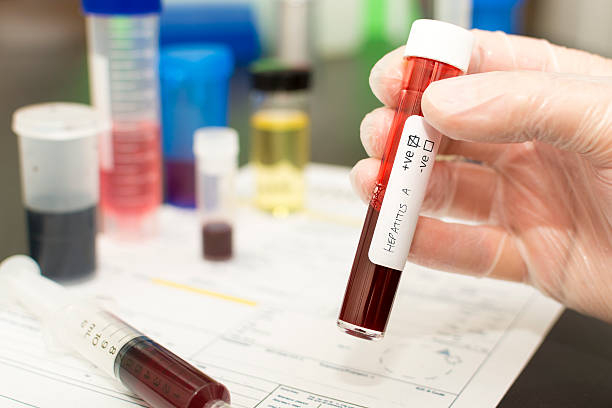

Selecting an appropriate STD Test in Dubai involves more than choosing the package with the highest number of tests. Basic and comprehensive screening panels may cover different infections, use different sample types and vary in their clinical relevance. The right option depends on symptoms, possible exposure, medical history and the specific organisms included in each laboratory panel.
A seven-panel package may be suitable for certain screening needs, while a broader 28-panel profile may investigate additional organisms. However, panel names and test counts are not standardised across all providers. Patients should review the actual test list rather than assuming that a higher number automatically means better coverage.
What Does a Basic 7-Panel STD Test in Dubai Usually Include?
A basic screening panel is generally designed to investigate a selected group of commonly screened infections. The exact contents vary between clinics and laboratories, so the number seven should not be treated as a universal medical standard.
Depending on the provider, a basic package may include selected tests for:
-
HIV.
-
Syphilis.
-
Hepatitis B.
-
Hepatitis C.
-
Chlamydia.
-
Gonorrhoea.
-
Another infection selected by the provider.
The inclusion of these tests is not guaranteed. Some packages may use different combinations, and certain infections may require separate samples or additional clinical assessment.
Who May Consider a Basic Screening Panel?
A focused panel may be appropriate for someone seeking routine screening without specific symptoms, provided the included tests match their screening needs.
It may also be useful when a healthcare professional wants to investigate a defined set of common infections before deciding whether further testing is necessary.
However, a basic panel may not cover every possible infection or every anatomical site. It should not be considered a substitute for a consultation when symptoms or a known exposure are present.
What Is Included in a Comprehensive 28-Panel Screening Package?
A comprehensive package may include a wider range of bacterial, viral and other sexually transmitted infection targets. The exact composition depends on the laboratory and the diagnostic methods used.
An expanded panel may include selected testing for:
-
Common bacterial STIs.
-
Additional genital or urinary organisms.
-
Selected Mycoplasma species.
-
Ureaplasma species.
-
Trichomonas vaginalis.
-
Herpes-related markers or other viral tests.
-
HIV, syphilis or hepatitis markers.
-
Additional organisms included in the provider's specific package.
Not every 28-panel package contains the same targets. Some may count individual organisms separately, while others may count different markers for one infection as separate tests.
For this reason, a package advertised as comprehensive should always be reviewed in detail.
Basic vs Comprehensive STD Test in Dubai: What Is the Difference?
The main distinction is the range of targets being investigated, not necessarily the overall quality of the laboratory.
| Consideration | Basic 7-panel | Comprehensive 28-panel |
|---|---|---|
| Number of targets | Usually more focused | Usually broader |
| Screening purpose | Selected common infections | Wider investigation of selected infections |
| Sample requirements | May use blood and urine or swabs | May require multiple sample types |
| Clinical relevance | Depends on included tests | Depends on whether additional targets are indicated |
| Cost | Often lower | Often higher |
| Interpretation | Requires review of included tests | May require more detailed interpretation |
A larger panel can provide additional information, but it may also include tests that are not routinely recommended for every asymptomatic person.
Why the Number of Tests Does Not Guarantee Better Screening
The number displayed in a package can be misleading without understanding what is being counted.
For example, one infection may require multiple laboratory markers. A package might count these markers individually, increasing its advertised test total without necessarily covering more distinct infections.
Similarly, an expanded molecular panel may include organisms whose clinical significance is not always straightforward in people without symptoms.
A useful screening package should be assessed according to:
-
The specific organisms included.
-
The diagnostic method used for each target.
-
The sample type required.
-
The anatomical sites covered.
-
The timing of testing after possible exposure.
-
Whether the results will be reviewed by a healthcare professional.
The goal is clinically relevant information, not simply the largest number on a package description.
Understanding Additional Organisms in Expanded Screening
Some comprehensive panels include organisms that are not part of every routine STI screening recommendation. Their detection must be interpreted carefully.
Mycoplasma Genitalium
Mycoplasma genitalium is a sexually transmitted bacterium associated with certain cases of urethritis and cervicitis. Testing may be appropriate in selected patients, particularly when symptoms persist or recur.
Because antimicrobial resistance is an important consideration, diagnosis and treatment should be guided by current clinical recommendations.
Ureaplasma Species
Ureaplasma species may be found in the genital tract of people without symptoms. Their presence does not automatically establish that they are causing disease or that antibiotic treatment is necessary.
Testing should be considered in context rather than treating every positive result as an infection requiring medication.
Trichomonas Vaginalis
Trichomoniasis is a sexually transmitted infection caused by a parasite. It can cause genital irritation, discharge or urinary symptoms, although many infected people have no noticeable signs.
Molecular testing can be used to identify the organism, depending on the available assay and sample type.
Herpes Simplex Virus
Herpes testing may involve a swab from an active lesion or selected blood antibody tests. These methods provide different information.
A positive antibody result does not necessarily establish the location, timing or cause of current symptoms. The clinician should explain what the specific test can and cannot determine.
Blood, Urine and Swab Samples May All Be Needed
A comprehensive panel does not necessarily use one sample to detect every infection.
Blood tests may investigate HIV, syphilis and hepatitis markers. Urine samples are commonly used for selected bacterial infections, while swabs may be needed for genital, throat or rectal testing.
The correct combination depends on the infections being investigated and the sites potentially exposed.
A person who has had oral or anal sexual contact may need site-specific testing even if a urine sample is negative. The clinician should ask relevant questions to identify which samples are appropriate.
How to Choose Between a Basic and Comprehensive Panel
The decision should begin with the reason for testing.
When Focused Screening May Be Enough
A basic panel may be suitable when a person wants screening for selected common infections and the package covers the relevant exposure risks.
It may also be appropriate when a clinician has already assessed the patient and determined that a focused set of tests is sufficient.
When Additional Testing May Be Needed
An expanded assessment may be considered when:
-
Symptoms are persistent or unexplained.
-
A specific exposure raises concern about an additional infection.
-
Initial results do not explain the clinical picture.
-
A previous infection has recurred.
-
The clinician identifies a reason to investigate less commonly tested organisms.
The decision should be based on clinical relevance, not the assumption that every person benefits from the largest panel.
Questions to Ask Before Booking an STD Test in Dubai
Before selecting a package, ask the provider for a clear breakdown of its contents.
Useful questions include:
-
Which infections are included by name?
-
Are the tests molecular, antibody-based, antigen-based or culture-based?
-
Which sample types are required?
-
Does the package include throat or rectal swabs when indicated?
-
Are there any relevant infections that are not included?
-
How are results interpreted and communicated?
-
Could any tests need repeating because of the window period?
-
Will a clinician advise on follow-up if a result is positive or unclear?
These questions help patients understand what they are paying for and whether the package addresses their individual needs.
Clinic Note: A comprehensive panel is not automatically the most appropriate option for every patient. Some expanded tests may detect organisms that can be present without causing disease, so positive findings require careful clinical interpretation.
Frequently Asked Questions
Is a 28-panel STD test better than a 7-panel test?
Not necessarily. A 28-panel package may cover more targets, but the additional tests may not be relevant to every patient. The best option depends on exposure history, symptoms and clinical recommendations.
Does a basic panel include HIV and syphilis testing?
Some basic panels include both, but package contents differ. Always confirm the exact list of tests before booking.
Can a comprehensive panel detect every STD?
No. No single panel can guarantee detection of every sexually transmitted infection in every situation. Some infections require separate tests, specific sample sites or repeat testing.
Does a larger panel require more samples?
It may. An expanded panel can involve blood, urine and one or more swabs, depending on its contents and the laboratory's requirements.
Should asymptomatic people choose a comprehensive panel?
Not automatically. Screening recommendations for people without symptoms depend on individual risk factors and established clinical guidance. A clinician can help determine which tests are appropriate.
Can a positive result from an expanded panel mean colonisation rather than disease?
Yes, for certain organisms. Some bacteria may be present without causing symptoms or requiring treatment. Results must be interpreted according to the organism and clinical context.
Can I choose my own screening package?
You can discuss available packages with the provider, but a healthcare professional should help determine whether the selected tests address your needs.
Make an Informed Choice About Sexual Health Screening
Basic and comprehensive screening packages serve different purposes. Comparing their actual test lists, sample requirements and diagnostic methods is more useful than focusing on the number of included targets.
If you are considering an STD Test in Dubai, Tajmeels Clinic encourages an individualised discussion about your symptoms, exposure history and screening goals. A qualified healthcare professional can help identify the tests that are relevant, explain any limitations and advise whether additional or repeat testing may be needed.

