

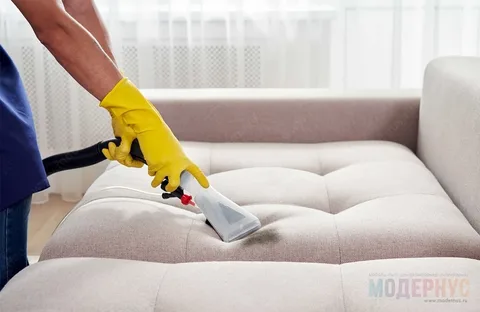

Furniture plays an important role in making a house feel comfortable and inviting. Sofas, chairs, dining seats, and upholstered furniture are used every day, which means they are regularly exposed to dust, body oils, food spills, pet hair, and other everyday messes. Over time, these materials can lose their original appearance and develop unpleasant odors if they are not properly maintained.
Keeping furniture in good condition requires regular attention and suitable cleaning techniques. For homeowners who want to refresh their indoor spaces, Upholstery Cleaning Highland Park IL can help address accumulated dirt, visible stains, and lingering odors. Proper care can improve the appearance of upholstered furniture while helping preserve the comfort and character of frequently used rooms.
Understanding Everyday Furniture Wear
Upholstered furniture experiences constant use throughout the day. Family members sit on sofas, guests use dining chairs, and pets may rest on cushions or armrests. These activities gradually introduce dirt, hair, oils, and other particles into the fabric. Even when furniture looks reasonably clean, its fibers may contain accumulated debris that is not immediately visible.
Different pieces of furniture experience different levels of wear. Living room sofas and frequently used chairs often require more attention than decorative seating in less active areas. Armrests, headrests, and seat cushions can become discolored because they receive repeated contact. Recognizing these patterns helps homeowners identify which areas need additional care.
Why Upholstery Requires Specialized Care
Upholstery fabrics come in many materials, including cotton, polyester, microfiber, linen, velvet, and blended fibers. Each material has its own cleaning requirements. Some fabrics tolerate water-based treatments, while others may be sensitive to moisture, heat, or certain cleaning products.
Using an unsuitable cleaning solution can potentially cause discoloration, shrinkage, or changes in texture. Excessive moisture may also affect furniture padding and create drying problems. Checking manufacturer instructions and identifying the fabric type before cleaning helps reduce these risks. A suitable cleaning approach should address dirt without compromising the material.
Managing Common Stains and Odors
Food, beverages, cosmetics, and everyday household substances can leave marks on upholstered surfaces. Coffee, juice, sauces, and oily residues are common examples of spills that may become difficult to remove when left untreated. Acting promptly can help prevent some stains from becoming permanent.
When a spill occurs, gently blotting the affected area with a clean cloth is generally better than rubbing the fabric. Aggressive rubbing may spread the stain or push it deeper into the fibers. Persistent marks may require a cleaning solution specifically designed for the upholstery material. Pet-related odors and accidental spills can also require additional attention to address the source rather than simply covering the smell with fragrance.
Maintaining Furniture Between Deep Cleaning Sessions
Regular household habits can help keep upholstered furniture looking presentable. Vacuuming sofas and chairs with an appropriate attachment removes loose dust, crumbs, and pet hair before they become embedded in the fabric. Removable cushion covers should be cared for according to their washing instructions, and furniture should be inspected occasionally for small stains or signs of wear.
Rotating cushions when the furniture design allows it can help distribute everyday use more evenly. Keeping food and drinks away from delicate upholstery may also reduce accidental spills. These simple practices support better furniture maintenance and can make deeper cleaning sessions more manageable.
Creating a Cleaner Indoor Environment
Furniture contributes significantly to the overall appearance of a room. Dusty cushions, visible marks, and unpleasant odors can make an otherwise tidy space feel less inviting. Maintaining upholstered surfaces helps create a fresher atmosphere and allows homeowners to enjoy their furniture more comfortably.
Households in Highland Park, IL, may have different furniture care needs depending on their daily routines, number of occupants, and whether they have pets. Homes with children or frequent visitors may experience more spills and surface wear. Establishing a practical maintenance schedule helps homeowners stay ahead of these common issues without waiting until furniture becomes heavily soiled.
Choosing a Suitable Furniture Care Provider
When upholstered furniture needs more than routine vacuuming, choosing an appropriate cleaning provider becomes important. Homeowners should consider the type of fabric, the condition of the furniture, the stains involved, and the cleaning methods being offered. Asking about fabric assessment, product suitability, moisture control, and drying expectations can help clarify the service process.
A careful provider should consider the furniture material before selecting a treatment. Not every stain can be removed completely, and results may depend on the age of the stain, fabric condition, and previous cleaning attempts. Clear expectations and suitable techniques help homeowners make informed decisions about maintaining their furniture.
Keep Your Furniture Looking Its Best
Upholstered furniture is an important part of a comfortable home, and regular maintenance can help preserve its appearance and usability. Vacuuming, promptly addressing spills, following fabric care instructions, and arranging deeper cleaning when necessary all contribute to better furniture care.
If your sofas, chairs, or other upholstered pieces have accumulated dirt, developed stains, or started retaining unpleasant odors, consider arranging a cleaning assessment. Contact a local furniture care provider to discuss your fabric type, specific concerns, and preferred service schedule. With appropriate care, you can maintain attractive furniture and enjoy a cleaner, more welcoming indoor environment.

