

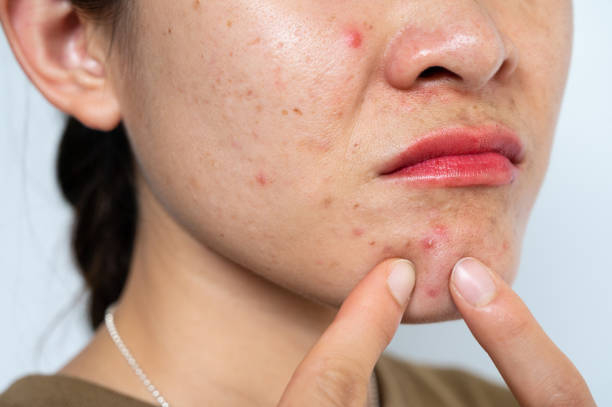

Choosing the right acne treatment can make a significant difference in achieving clear, balanced, and healthy-looking skin. However, not every skincare product or dermatological procedure works for everyone. Different skin types respond differently to active ingredients, medications, and professional treatments. Understanding your skin's specific needs is the first step towards finding effective Acne Treatment in Riyadh that addresses breakouts without causing unnecessary irritation or dryness. Whether you have oily, dry, combination, or sensitive skin, selecting an appropriate treatment can help improve your complexion and support long-term skin health.
Acne develops when excess sebum, dead skin cells, and bacteria contribute to clogged pores and inflammation. Hormonal changes, environmental conditions, stress, and unsuitable skincare products can also trigger breakouts. Using products without considering your skin type may worsen existing concerns or damage the skin barrier. Professional Acne Treatment in Riyadh focuses on identifying the causes of acne, assessing individual skin characteristics, and recommending suitable solutions. A personalised approach can help control breakouts while maintaining your skin's natural balance.
Why Does Your Skin Type Matter When Choosing Acne Treatment?
Your skin type determines how it responds to different skincare ingredients and procedures. A product that works well for oily skin may cause irritation in someone with sensitive or dry skin. Understanding these differences helps you make better skincare decisions.
-
Oily skin: Often produces excess sebum, increasing the likelihood of clogged pores and blackheads.
-
Dry skin: May experience tightness, flaking, and irritation when exposed to harsh acne products.
-
Combination skin: Usually has an oily T-zone and comparatively dry cheeks, requiring balanced skincare.
-
Sensitive skin: Can react easily to fragrances, strong exfoliants, and certain active ingredients.
-
Normal skin: Generally maintains a balanced moisture level but can still experience occasional breakouts.
Best Acne Treatment for Oily Skin
Oily skin produces excess sebum, which can combine with dead skin cells and contribute to blocked pores. People with this skin type may experience frequent blackheads, whiteheads, and inflammatory pimples.
Recommended Treatments for Oily Skin
-
Salicylic acid: Helps exfoliate inside pores and reduce congestion.
-
Benzoyl peroxide: Helps manage acne-causing bacteria and inflammatory breakouts.
-
Oil-free moisturisers: Provide hydration without adding a heavy or greasy feeling.
-
Retinoids: Help prevent clogged pores and support skin cell turnover.
Choose lightweight, non-comedogenic products and avoid excessive cleansing, as stripping natural oils can irritate the skin.
Best Acne Treatment for Dry Skin
Dry skin can be more vulnerable to irritation, especially when using strong acne treatments. The goal is to manage breakouts while protecting the skin's natural moisture barrier.
Recommended Treatments for Dry Skin
-
Gentle cleansers: Remove impurities without stripping essential moisture.
-
Azelaic acid: May help manage acne while improving the appearance of post-acne marks.
-
Hydrating moisturisers: Ingredients such as ceramides and hyaluronic acid help maintain hydration.
-
Carefully selected retinoids: May be introduced gradually under professional guidance to minimise dryness.
Avoid aggressive exfoliation and excessive use of acne products. A gentle routine can help maintain comfort while treating breakouts.
Best Acne Treatment for Combination Skin
Combination skin presents two different concerns: excess oil in certain areas and dryness in others. The T-zone, including the forehead, nose, and chin, may be more prone to clogged pores, while the cheeks may need additional hydration.
Recommended Treatments for Combination Skin
-
Use a gentle cleanser suitable for daily use.
-
Apply salicylic acid to oily or congested areas when appropriate.
-
Choose lightweight moisturisers that support hydration without clogging pores.
-
Apply targeted acne products only to areas that need treatment.
A balanced skincare routine helps address different skin concerns without over-drying specific areas.
Best Acne Treatment for Sensitive Skin
Sensitive skin requires additional attention because certain active ingredients can cause redness, burning, dryness, or irritation. Introducing products slowly and choosing gentle formulations can help minimise unwanted reactions.
Recommended Treatments for Sensitive Skin
-
Azelaic acid: Can help manage mild acne and inflammation.
-
Gentle cleansers: Help remove dirt and oil without aggressive cleansing.
-
Fragrance-free moisturisers: Support the skin barrier and reduce dryness.
-
Mineral sunscreen: Provides sun protection and may be suitable for some sensitive skin types.
Before introducing a new active ingredient, consider a patch test and consult a dermatologist if you experience frequent irritation.
Professional Acne Treatment Options for Different Skin Types
Skincare products may help manage mild acne, but persistent or severe breakouts sometimes require professional dermatological care. A specialist can evaluate your skin and recommend suitable procedures or medical treatments.
Chemical Peels
Chemical peels use exfoliating ingredients such as salicylic acid or glycolic acid to remove dead skin cells and improve pore congestion. They may be helpful for selected acne-prone skin types and certain post-acne marks. The peel should be chosen according to skin sensitivity and individual requirements.
Laser and Light-Based Treatments
Certain laser and light-based technologies may help manage inflammatory acne or improve specific skin concerns. Their effectiveness depends on the technology used and the patient's skin condition. A professional assessment is necessary before proceeding.
Microneedling for Acne Scars
Microneedling uses fine needles to create controlled micro-injuries that stimulate the skin's natural healing response. It may improve the appearance of certain depressed acne scars and uneven skin texture. It is generally considered after active acne is adequately controlled.
Prescription Acne Medication
Dermatologists may recommend topical retinoids, benzoyl peroxide combinations, antibiotics, hormonal treatments, or other prescription medications depending on acne severity. Some treatments require specific precautions and medical monitoring.
Common Mistakes to Avoid When Choosing Acne Products
Using the wrong products can make acne more difficult to manage. Avoid these common skincare mistakes:
-
Overwashing your face: Excessive cleansing can weaken the skin barrier and increase irritation.
-
Using too many active ingredients: Combining strong exfoliants and acne treatments may cause redness and dryness.
-
Skipping moisturiser: Acne-prone skin still requires proper hydration.
-
Ignoring sunscreen: Sun exposure can worsen the appearance of post-acne dark spots.
-
Picking pimples: Squeezing acne lesions increases the risk of inflammation and scarring.
-
Following every skincare trend: Popular products are not necessarily suitable for your individual skin type.
How to Build an Effective Daily Skincare Routine
A consistent routine supports acne management and helps maintain healthy skin.
Morning routine: Start with a gentle cleanser, apply a suitable acne treatment if recommended, use a lightweight moisturiser, and finish with broad-spectrum SPF 30 or higher sunscreen.
Evening routine: Cleanse your face to remove sunscreen, makeup, and impurities. Apply your recommended treatment and follow with a moisturiser to maintain skin hydration.
Introduce new products gradually and give your skincare routine enough time to work. If irritation develops, seek professional advice.
Book Your Consultation at Royal Clinic Saudia
Finding the right acne solution begins with understanding your skin's individual needs. Visit Royal Clinic Saudia for a professional skin assessment and personalised recommendations. Discuss your breakouts, skin type, and treatment goals with the dermatology team to explore suitable options. Book your appointment and take a positive step towards clearer, healthier-looking skin.
FAQs:
1. How do I know which acne treatment is suitable for my skin type?
Start by identifying whether your skin is oily, dry, combination, or sensitive. A dermatologist can assess your acne and recommend suitable products, medications, or professional procedures.
2. Can I use salicylic acid if I have dry skin?
Salicylic acid may be suitable for some people with dry skin, but it should be used carefully. Lower concentrations, limited application, and proper moisturising can help reduce irritation.
3. Is professional acne treatment better than home skincare?
Both approaches can be useful. Home skincare helps maintain daily skin health, while professional treatments address more persistent or severe acne under dermatological supervision.
4. How long does it take to see results from acne treatment?
Many acne treatments require approximately 6–8 weeks to show noticeable improvements. The actual timeline depends on acne severity, treatment consistency, and individual skin response.

