


What Happens During a Lipoma Treatment Procedure?
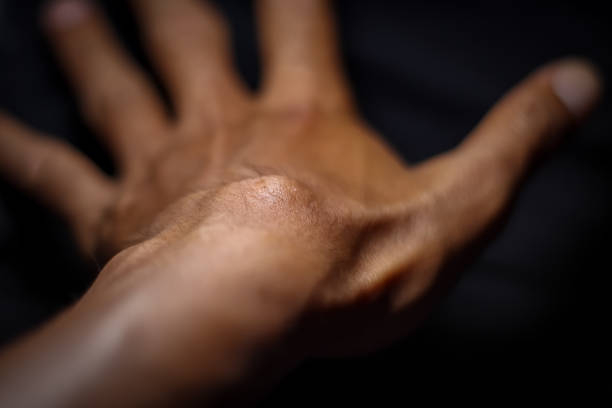
Lipomas are soft, benign fatty lumps that develop under the skin and are usually harmless. In many cases, they grow slowly and do not cause pain or serious complications. However, when they become large, uncomfortable, or cosmetically concerning, patients may consider medical removal. Understanding lipoma treatment in riyadh helps individuals know exactly what to expect during the procedure and how it is performed safely.
For those exploring Lipoma Treatment in Riyadh, knowing the step-by-step process can reduce anxiety and help patients feel more prepared. Modern treatment techniques are designed to ensure safety, comfort, and effective removal of the fatty lump with minimal downtime.
What Is a Lipoma Treatment Procedure?
A lipoma treatment procedure refers to the medical process used to remove a fatty lump from beneath the skin. It is typically a minor procedure performed by a specialist using safe and controlled techniques.
Main Objectives of the Procedure
- Complete removal of the lipoma
- Relief from discomfort or pressure
- Improved cosmetic appearance
- Confirmation of benign nature
- Prevention of recurrence in most cases
Before the Procedure: Initial Preparation
Before starting treatment, doctors perform a detailed assessment to ensure the procedure is safe and suitable.
Pre-Procedure Steps
- Physical examination of the lump
- Review of medical history
- Assessment of size and depth
- Discussion of treatment options
- Explanation of procedure steps
Anesthesia and Patient Comfort
One of the most important parts of the procedure is ensuring patient comfort.
Types of Anesthesia Used
- Local anesthesia (most common)
- Numbing of the treatment area
- Patient remains awake but pain-free
What Patients Feel
- No sharp pain during procedure
- Mild pressure or movement sensation
- Comfortable throughout treatment
Step-by-Step Lipoma Removal Process
The exact procedure depends on the size and location of the lipoma, but the general steps are similar.
Step 1: Cleaning the Area
- The skin is thoroughly cleaned and sterilized
- Reduces risk of infection
- Prepares the area for safe incision
Step 2: Making the Incision
- A small cut is made over the lipoma
- Size depends on the lump
- Carefully planned for minimal scarring
Step 3: Removing the Lipoma
- Fatty lump is gently separated from surrounding tissue
- Entire lipoma is removed in most cases
- Care is taken to protect nearby structures
Step 4: Closing the Wound
- Incision is closed using stitches
- Dressing is applied over the area
- Helps support healing process
Minimally Invasive Alternatives
In some cases, less invasive methods may be used instead of traditional excision.
Liposuction Technique
- Thin tube inserted into lipoma
- Fat is suctioned out
- Smaller incision required
Minimal Incision Removal
- Very small cut made
- Lipoma gently extracted
- Faster healing process
What Happens Immediately After Treatment
After the procedure, patients are monitored for a short time before going home.
Post-Procedure Care
- Observation for stability
- Dressing applied to wound
- Pain management if needed
- Instructions provided for home care
Recovery After Lipoma Treatment
Recovery is usually smooth and quick for most patients.
What to Expect
- Mild swelling or bruising
- Slight tenderness for a few days
- Gradual healing of incision
- Return to normal routine within short time
Recovery Tips
- Keep area clean and dry
- Avoid heavy physical activity
- Follow medical instructions carefully
- Attend follow-up visits if required
Possible Side Effects
Most patients experience only mild and temporary effects.
Common Effects
- Slight swelling
- Minor bruising
- Temporary discomfort
- Small scar formation
Benefits of the Procedure
Lipoma removal offers both physical and emotional benefits.
Key Advantages
- Relief from discomfort or pressure
- Improved body appearance
- Permanent removal in most cases
- Better mobility if affected area was restricted
- Peace of mind after diagnosis
When Is Treatment Recommended?
Not all lipomas require removal, but certain signs indicate the need for treatment.
Warning Signs
- Rapid growth
- Pain or tenderness
- Cosmetic concern
- Restricted movement
- Pressure on nearby tissues
Importance of Professional Care
Professional treatment ensures safety and effective results.
Why Expertise Matters
- Accurate diagnosis
- Safe surgical techniques
- Minimal risk of complications
- Better cosmetic outcome
- Reduced chance of recurrence
Book Your Appointment Today
If you are experiencing a growing or uncomfortable fatty lump, understanding the treatment process is the first step toward relief. At Royal Clinic Saudia, experienced specialists provide safe and effective lipoma removal using advanced techniques designed for patient comfort and excellent results. Book your appointment today to receive professional care and regain confidence in your health and appearance.
FAQs:
What happens during a lipoma treatment procedure?
The lipoma is numbed, removed through a small incision or minimally invasive technique, and the wound is closed with stitches.
Is lipoma removal painful?
No, local anesthesia is used, so patients typically do not feel pain during the procedure.
How long does the procedure take?
Most lipoma removal procedures are completed within a short time, depending on the size and location of the lump.
Can I go home after lipoma treatment?
Yes, most lipoma procedures are done on an outpatient basis, allowing patients to go home the same day.
Categories
- Artificial Intelligence (AI)
- Technology
- Business
- Education
- Science
- Lifestyle
- Healthcare
- Entertainment
- Politics
- Environment
- Travel
- Finance
- Automobile
- News
- Art
- Causes
- Crafts
- career
- Dance
- Drinks
- Film
- Fitness
- Food
- Games
- Gardening
- Health
- Home
- Literature
- Music
- Networking
- Other
- Party
- Religion
- Shopping
- Sports
- Theater
- Wellness
Read More
Smart Food Packaging Market Overview The Smart Food Packaging Market Report is a comprehensive and meticulously developed research study designed to provide in-depth insights into the evolving dynamics of the Smart Food Packaging market. Prepared through extensive primary interviews, secondary research, and detailed data analysis, this report evaluates critical factors influencing...

Global Contact Type High and Low Temperature Impact Machine market size was valued at USD 735 million in 2025. The market is projected to reach USD 941 million by 2034, exhibiting a CAGR of 3.7 % during the forecast period. The Contact Type High and Low Temperature Impact Machine is an advanced test system that subjects materials, components or finished products to rapid temperature...
The growing prevalence of sleep disorders and continued innovation in neuroscience are driving steady growth in the Orexin Receptor 2 Market. Orexin Receptor Type 2 (OX2R) plays a critical role in regulating the sleep-wake cycle, making it an important therapeutic target for conditions such as insomnia, narcolepsy, obesity, and certain neurological disorders. According to WiseGuyReports, the...
Start With a Detailed Plan Moving furniture, boxes, appliances, and other belongings requires careful preparation. Whether the items are being transported between homes, offices, storage facilities, or other locations, a clear loading plan can reduce confusion. Before the truck arrives, identify large items, fragile belongings, heavy boxes, and items that need special handling. A simple...
According to WiseGuy Reports, the Recycled Plastic Powder Market was valued at USD 2,400 Million in 2025 and is projected to reach USD 5.4 Billion by 2035, registering a CAGR of 8.3% during the forecast period. Market growth is being driven by increasing adoption of circular economy practices, expanding demand for sustainable materials, rising plastic recycling investments, supportive...
