


Fillers vs Botox: Understanding the Difference
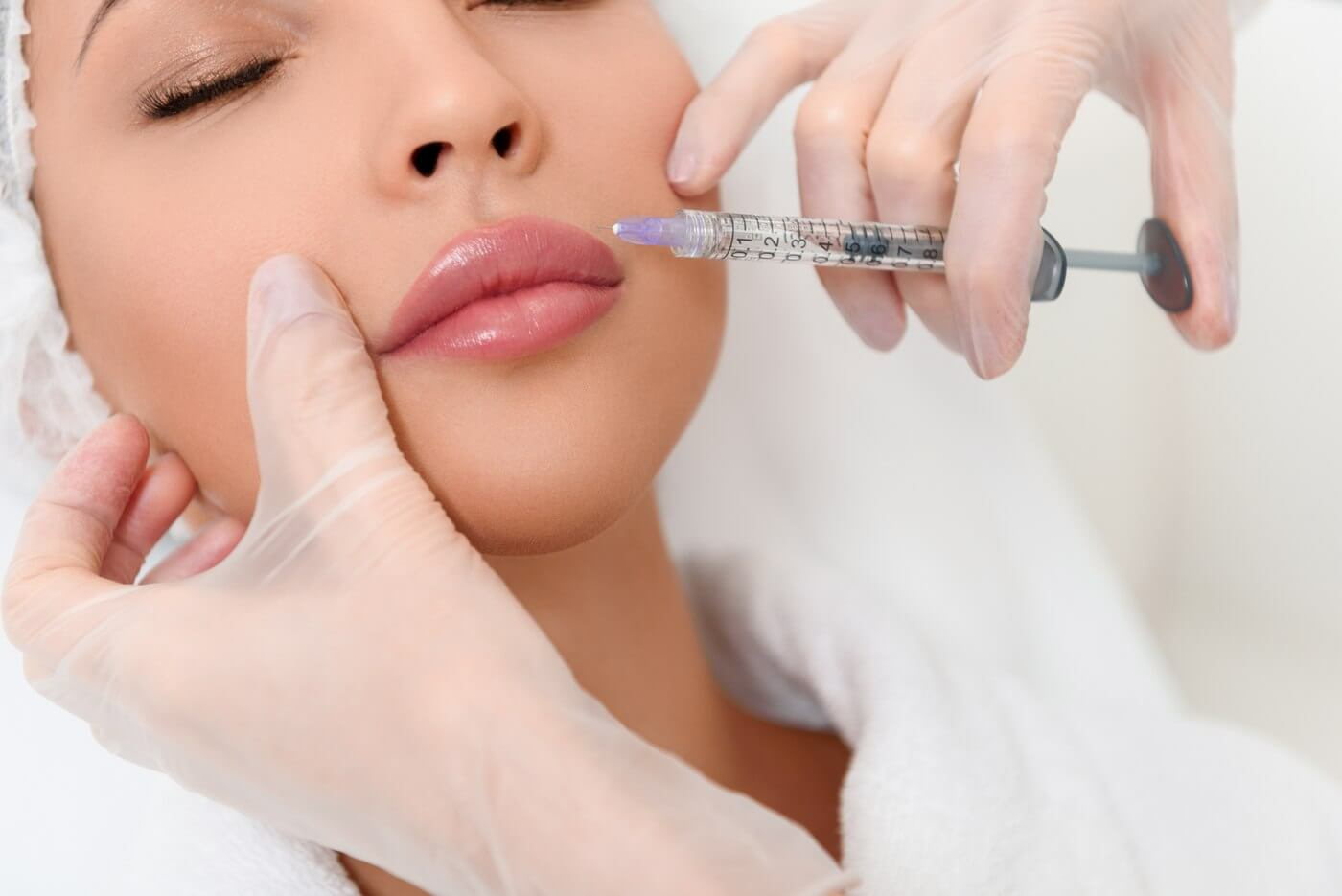
The desire to maintain a youthful and refreshed appearance has made non-surgical cosmetic treatments increasingly popular across the world. Among the most commonly discussed options are dermal fillers and Botox. Although many people assume they are similar treatments, they work in completely different ways and address different aesthetic concerns. Understanding these distinctions is essential for making informed decisions about facial rejuvenation. People exploring Fillers In Islamabad often compare them with Botox to determine which option aligns best with their cosmetic goals and expectations.
What Is Botox?
Botox is a purified protein derived from botulinum toxin that temporarily relaxes targeted facial muscles. It is primarily used to reduce the appearance of dynamic wrinkles, which are lines caused by repeated facial movements such as smiling, frowning, or squinting.
When injected into specific muscles, Botox blocks nerve signals that trigger muscle contractions. As the muscles relax, the overlying skin becomes smoother, resulting in a softer and more youthful appearance.
Common areas treated with Botox include:
- Forehead lines
- Crow’s feet around the eyes
- Frown lines between the eyebrows
- Bunny lines on the nose
- Chin dimpling
Botox is widely recognized for its ability to create a refreshed appearance without altering natural facial expressions when administered appropriately.
What Are Dermal Fillers?
Dermal fillers are injectable substances designed to restore lost volume, enhance facial contours, and smooth static wrinkles. Unlike Botox, fillers do not affect muscle activity. Instead, they add structure and fullness beneath the skin.
Many modern fillers contain hyaluronic acid, a naturally occurring substance in the body that helps maintain skin hydration and volume. As aging progresses, collagen, elastin, and hyaluronic acid levels decline, leading to volume loss and facial sagging.
Fillers help address these concerns by restoring facial balance and improving contour definition.
Common treatment areas include:
- Cheeks
- Lips
- Nasolabial folds
- Marionette lines
- Jawline
- Chin
- Under-eye hollows
Because fillers directly replace lost volume, they are particularly effective for age-related facial changes.
The Main Difference Between Fillers and Botox
The primary difference lies in how each treatment works.
Botox reduces wrinkles caused by muscle movement. It temporarily relaxes the muscles responsible for expression lines, preventing them from deepening over time.
Fillers, on the other hand, restore volume and enhance facial structure. They fill areas that have become hollow or sunken due to aging or naturally thin facial features.
In simple terms:
- Botox relaxes muscles.
- Fillers add volume.
This distinction makes each treatment suitable for different cosmetic concerns.
Which Wrinkles Do They Treat?
Not all wrinkles develop for the same reason. Some appear because of repeated facial expressions, while others result from aging and tissue loss.
Dynamic wrinkles are best treated with Botox. These include forehead creases, crow’s feet, and frown lines.
Static wrinkles are better suited for fillers. These lines remain visible even when the face is at rest and often develop due to collagen loss and skin laxity.
A proper understanding of wrinkle types helps determine which treatment can deliver the most effective results.
Can Fillers and Botox Be Used Together?
Yes, many individuals benefit from combining both treatments.
Since fillers and Botox target different aspects of facial aging, they can complement one another exceptionally well. Botox smooths expression-related wrinkles while fillers restore volume and improve facial contours.
This combined approach often creates a more balanced and comprehensive facial rejuvenation result without surgery.
Many aesthetic professionals recommend personalized treatment plans that incorporate both options based on the individual's unique facial anatomy and concerns.
Results and Longevity
Botox results generally become noticeable within a few days and continue improving over the following weeks. The effects are temporary and typically last several months.
Dermal fillers often provide immediate improvement in volume and contour. Depending on the filler type, treatment area, and individual metabolism, results may last from several months to well over a year.
The longevity of either treatment varies from person to person, making consultation and individualized planning important.
Who Is a Good Candidate?
Botox may be ideal for individuals experiencing early signs of aging related to facial expressions. It is commonly chosen by people seeking smoother skin and prevention of wrinkle progression.
Fillers are often suitable for individuals who want to restore facial volume, enhance specific features, or improve facial symmetry.
The best candidates are those with realistic expectations and a clear understanding of what each treatment can achieve.
Safety and Considerations
Both Botox and dermal fillers have established safety profiles when performed by qualified and experienced practitioners. A thorough assessment helps determine the most suitable treatment approach while minimizing risks.
Patients should openly discuss their goals, medical history, and expectations before proceeding with any cosmetic procedure. This ensures that the chosen treatment aligns with both aesthetic objectives and individual needs.
Frequently Asked Questions
Is Botox better than fillers?
Neither treatment is universally better. Botox is more effective for dynamic wrinkles caused by muscle movement, while fillers are ideal for restoring volume and treating static wrinkles.
Do fillers last longer than Botox?
In many cases, fillers last longer than Botox. However, longevity depends on the type of filler used, treatment area, and individual factors.
Can Botox and fillers be done during the same appointment?
Yes, many people receive both treatments during the same session as part of a comprehensive facial rejuvenation plan.
Which treatment looks more natural?
Both treatments can provide natural-looking results when used appropriately and tailored to the individual's facial anatomy and goals.
Are fillers painful?
Most patients experience only mild discomfort during treatment. Many filler products contain numbing agents to improve comfort.
At what age should someone consider Botox or fillers?
There is no specific age requirement. Treatment decisions depend on individual concerns, skin condition, and aesthetic goals rather than age alone.
Final Thoughts
Choosing between Botox and fillers depends on the specific concerns being addressed. Botox excels at softening expression lines, while fillers restore lost volume and enhance facial contours. Understanding their differences allows individuals to make informed decisions and achieve results that complement their natural appearance. As interest in modern aesthetic treatments continues to grow, Fillers In Islamabad remain a popular option for those seeking facial rejuvenation, contour enhancement, and a refreshed look without undergoing invasive procedures.
Categories
- Artificial Intelligence (AI)
- Technology
- Business
- Education
- Science
- Lifestyle
- Healthcare
- Entertainment
- Politics
- Environment
- Travel
- Finance
- Automobile
- News
- Art
- Causes
- Crafts
- career
- Dance
- Drinks
- Film
- Fitness
- Food
- Games
- Gardening
- Health
- Home
- Literature
- Music
- Networking
- Other
- Party
- Religion
- Shopping
- Sports
- Theater
- Wellness
Read More
The Ethernet Switch Market is undergoing significant transformation, characterized by an impressive projected CAGR of 9.40% from now until 2035. This robust growth trajectory underscores the escalating demands for high-speed connectivity and enhanced network reliability. As the digital landscape evolves, a comprehensive market analysis reveals how these factors, combined with the advent of 5G...

According to the latest report published by Data Bridge Market Research, the Trimethyl Pentanediol Monoisobutyrate Market The global trimethyl pentanediol monoisobutyrate market size was valued at USD 733.60 million in 2024 and is expected to reach USD 1308.36 million by 2032, at a CAGR of 7.50% during the forecast period For an effectual business...

The Next Transportation Infrastructure Cycle Will Be Defined by Connectivity A highway, railway, port, or airport can no longer be evaluated solely by how much traffic it handles on the day it opens. Infrastructure owners increasingly need to know how well an asset performs under congestion, extreme weather, changing trade flows, and new mobility technologies. The Transportation Infrastructure...

The global Intelligent Cheese Cutting Equipment market was valued at USD 627 million in 2025 and is projected to reach USD 826 million by 2034, exhibiting a CAGR of 4.1% during the forecast period. Intelligent cheese cutting equipment is a highly automated device designed to cut cheese with precision in size, shape, and thickness. Equipped with advanced control systems, sensors, and...
According to the latest report published by Data Bridge Market Research, the Organic Rice Flour Market The global organic rice flour market size was valued at USD 934.50 million in 2024 and is projected to reach USD 1,729.69 million by 2032, growing at a CAGR of 8.00% during the forecast period. For an effectual business growth, companies must adopt market research report such as...
