


A Strategic Overview of the Global and Evolving BPO Business Analytics Industry
The global BPO Business Analytics industry represents a profound evolution in the world of outsourcing, marking a strategic shift from pure cost-saving, transactional services to high-value, insight-driven partnerships. This industry is at the intersection of Business Process Outsourcing (BPO) and Business Analytics (BA), where BPO providers no longer just execute a client's back-office processes—such as customer service, finance, or HR—but also leverage the vast amounts of data generated by these processes to deliver actionable intelligence. By integrating advanced analytics, data science, artificial intelligence (AI), and machine learning (ML) into their service offerings, these providers transform mundane operational data into a powerful strategic asset. This enables their clients to make smarter, data-driven decisions, optimize their operations, enhance customer experiences, and uncover new revenue streams. It fundamentally redefines the purpose of outsourcing, moving it from a tactical cost-reduction tool to a strategic enabler of business growth and competitive advantage in a data-centric world.
The Core Transformation: From Executing Tasks to Delivering Outcomes
The fundamental change defining the BPO Business Analytics industry is the pivot from a focus on process execution to a focus on delivering measurable business outcomes. In traditional BPO relationships, success was measured by Service Level Agreements (SLAs) based on operational metrics, such as call answer times in a contact center or the number of invoices processed per hour in finance and accounting. While these metrics are still important, the new paradigm adds a layer of business-oriented Key Performance Indicators (KPIs). A BPO provider is now evaluated on its ability to help a client reduce customer churn, increase customer lifetime value, improve cash flow, or identify fraudulent transactions. This means they are not just outsourcing a task; they are outsourcing an outcome. A BPO partner analyzing customer interaction data is expected to provide insights that lead to better products and services, not just to handle the customer query efficiently. This outcome-based approach creates a much deeper, more collaborative partnership, aligning the goals of the BPO provider directly with the strategic objectives of the client organization.
Key Components and a Spectrum of Service Offerings
The service offerings within the BPO Business Analytics industry are comprehensive, encompassing the entire data value chain. It begins with data management, where the BPO provider captures, cleanses, and structures the massive volumes of data generated from the outsourced process, whether it's call recordings, transaction logs, or employee records. The next layer is the application of analytics, which spans a full spectrum of sophistication. This starts with Descriptive Analytics, which provides dashboards and reports answering "what happened?". It progresses to Diagnostic Analytics to understand "why it happened." The real value is created through Predictive Analytics, which uses historical data and AI/ML models to forecast "what will happen" (e.g., predicting which customers are likely to churn). The most advanced offering is Prescriptive Analytics, which goes a step further to recommend "what should be done" (e.g., suggesting the specific retention offer that is most likely to retain a particular at-risk customer). These insights are then delivered through intuitive visualization tools and are often accompanied by consultative services, where domain experts from the BPO provider help the client interpret the findings and formulate strategic actions.
The Strategic Importance for the Modern Digital Enterprise
The growing strategic importance of this industry stems from the universal need for businesses to leverage data to stay competitive. Many organizations, while rich in operational data, lack the specialized in-house talent, technology, and resources to build and maintain advanced analytics capabilities for every single business function. It is often not feasible for a company to have a dedicated team of data scientists for their HR department, another for their finance department, and another for their supply chain. BPO Business Analytics providers fill this critical gap. They offer access to a shared pool of highly skilled data scientists, analysts, and domain experts, along with pre-built, industry-specific analytics platforms and AI models. This allows a client to effectively "rent" a world-class analytics function for a specific business process. It transforms a traditional cost center, like a call center or an accounting department, into a vital hub of business intelligence, providing the C-suite with a continuous stream of data-driven insights to guide strategic planning, improve operational performance, and foster a culture of evidence-based decision-making across the enterprise.
Top Trending Reports:
Categories
- Artificial Intelligence (AI)
- Technology
- Business
- Education
- Science
- Lifestyle
- Healthcare
- Entertainment
- Politics
- Environment
- Travel
- Finance
- Automobile
- News
- Art
- Causes
- Crafts
- career
- Dance
- Drinks
- Film
- Fitness
- Food
- Games
- Gardening
- Health
- Home
- Literature
- Music
- Networking
- Other
- Party
- Religion
- Shopping
- Sports
- Theater
- Wellness
Read More
A well-defined physique is a top goal for many individuals striving for a toned and sculpted appearance. Even with regular exercise and a healthy diet, stubborn fat in certain areas can prevent the body from achieving the desired level of definition. The Body sculpting procedure in Riyadh (عملية نحت الجسم في الرياض) provides a modern, non-invasive solution for enhancing body contours and...

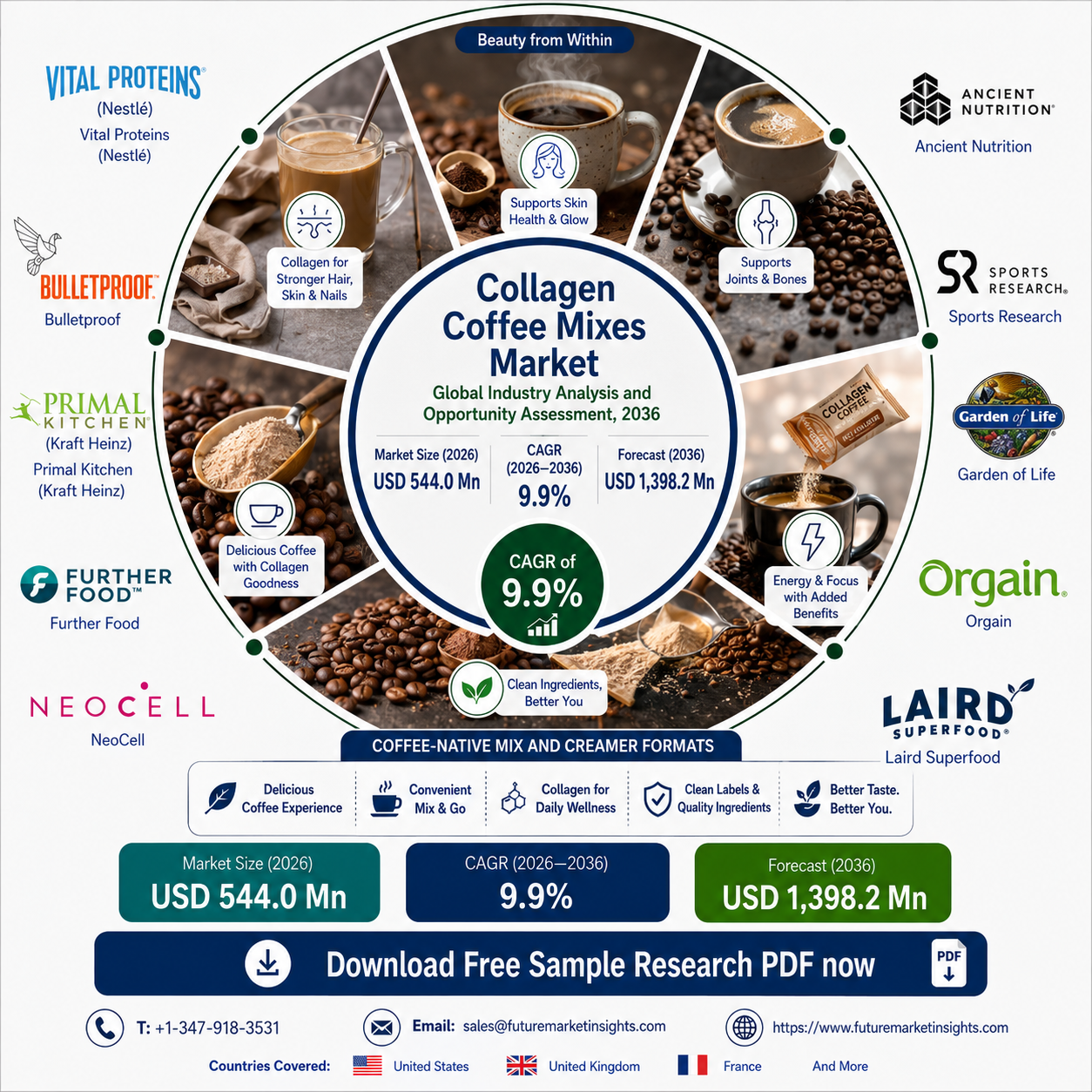
NEWARK, Del., August 24, 2026 — The global Collagen Coffee Mixes Market is gaining momentum as consumers increasingly look for convenient ways to integrate collagen into familiar daily beverage routines. According to Future Market Insights (FMI), the market is valued at USD 544.0 million in 2026 and is projected to reach USD 1,398.2 million by 2036, registering a CAGR of 9.9% during the...
Laser tattoo removal is designed to target unwanted ink while minimizing unnecessary effects on the surrounding skin. However, as with other cosmetic laser procedures, there is a possibility of side effects, including skin irritation and, less commonly, scarring. Understanding the factors that influence this risk can help you approach laser tattoo removal with realistic...

Botox injections have become one of the most trusted non-surgical cosmetic treatments for reducing expression lines and achieving a refreshed appearance. One of the reasons for their popularity is their versatility. Botox can treat several areas of the face where repeated muscle movement causes wrinkles and fine lines to develop over time. Understanding the most commonly treated areas can help...

According to the latest report published by Data Bridge Market Research, the Allantoin Market CAGR Value The global allantoin market size was valued at USD 724.42 million in 2024 and is expected to reach USD 1,176.58 million by 2032, at a CAGR of 6.25% during the forecast period Credible Allantoin Market business report comprises of fundamental, secondary and advanced...

