Early Signs of Hair Loss You Should Not Ignore
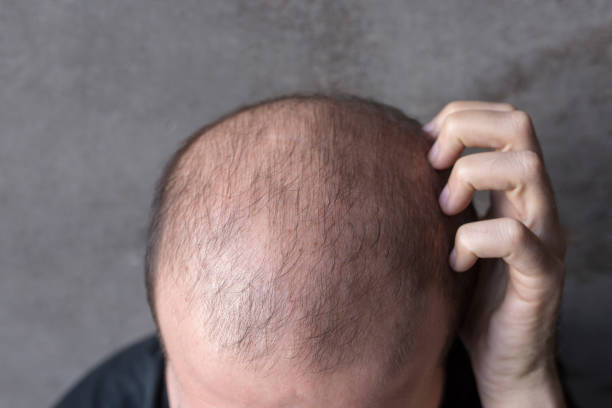
Hair loss often develops gradually, making the first changes easy to overlook. A few extra strands on your pillow or in the shower may not seem concerning, but persistent changes in hair density, texture, or scalp visibility can be worth paying attention to. Recognizing the early warning signs can help you understand what may be happening and seek appropriate guidance before thinning becomes more noticeable. For people experiencing ongoing changes, Hair Loss Treatment in Riyadh may be considered after determining the underlying cause.
Why Early Signs Matter
Hair naturally sheds as part of its growth cycle, so some daily hair fall is expected. The concern arises when shedding becomes consistently heavier or the appearance of the hair changes. Hair Loss Treatment in Riyadh can vary depending on whether the early signs are related to genetics, hormonal changes, stress, nutritional factors, or another condition. Recognizing a change early can provide an opportunity for professional assessment and appropriate management.
Common Early Signs of Hair Loss
More Hair Than Usual on Your Pillow or Brush
One of the easiest changes to notice is an increase in the amount of hair left behind after sleeping, brushing, washing, or styling. Occasional increased shedding can happen, but consistently seeing substantially more hair than usual may deserve attention, particularly if it continues over time.
A Wider Hair Part
A widening part can be an early indication that overall hair density is decreasing. This may be particularly noticeable when styling the hair or looking at the scalp under bright lighting. Gradual changes can be difficult to recognize, so comparing photographs taken over several months may help reveal whether the part is becoming wider.
A Receding Hairline
A hairline that gradually moves backward may indicate progressive thinning, particularly around the temples. This pattern is commonly associated with hereditary hair loss, although other factors can contribute to changes around the hairline. Paying attention to gradual recession can help you recognize changes earlier.
Increased Scalp Visibility
If your scalp becomes more visible through the hair, particularly around the crown or top of the head, it may indicate reduced hair density. Increased scalp visibility can sometimes develop slowly, making it easy to dismiss until the change becomes more pronounced.
Thinner Ponytail or Overall Hair Volume
People with longer hair may notice that their ponytail feels smaller or that there is less volume when styling. A reduction in thickness can occur even when obvious bald spots are not present. This subtle change may be one of the earliest signs of diffuse hair thinning.
Small or Distinct Bald Patches
Round or irregular patches where hair has suddenly disappeared should not be ignored. Patchy hair loss can have different causes from gradual genetic thinning and may sometimes be associated with autoimmune or scalp-related conditions. Professional evaluation can help determine what is causing the change.
Hair Becoming Finer
Changes in hair diameter can also be an early warning sign. Individual strands may appear finer, weaker, or less substantial than before. In some forms of progressive hair loss, follicles gradually produce thinner hairs before visible density becomes significantly reduced.
Slower Hair Growth
If your hair seems to take considerably longer to reach its previous length or appears to have stopped growing normally, several factors may be involved. Changes in the growth cycle, hair breakage, nutritional issues, or underlying conditions can all affect how quickly the hair appears to grow.
What Can Cause Early Hair Thinning?
Genetic Factors
Hereditary hair loss is a common cause of gradual thinning. Family history can provide useful clues, but having relatives with hair loss does not mean every change in shedding is necessarily genetic.
Hormonal Changes
Hormonal fluctuations may affect the hair-growth cycle. Changes associated with pregnancy, menopause, thyroid disorders, and other hormonal conditions can sometimes result in noticeable shedding or thinning.
Stress and Illness
Major physical or emotional stress, significant illness, surgery, or substantial lifestyle changes may temporarily disrupt normal hair growth. Increased shedding may appear weeks or months after the triggering event.
Nutritional Factors
Inadequate nutrition may affect healthy hair growth. Low levels of certain nutrients, including iron, protein, vitamin D, or zinc, can be associated with increased shedding in some individuals.
When Should You Seek Professional Advice?
It is worth considering professional evaluation when hair loss becomes persistent, rapidly progresses, occurs in patches, or is accompanied by scalp irritation, redness, itching, or other unusual changes. An evaluation can help distinguish normal shedding from a pattern that may require further attention.
How Is Early Hair Loss Evaluated?
A specialist may ask about the timing and pattern of your hair loss, family history, recent illness, stress, diet, medications, and hair-care habits. The scalp and hair may also be examined to assess density and the distribution of thinning. Depending on the suspected cause, additional investigations may be recommended.
Can Early Hair Loss Be Managed?
The appropriate approach depends on the underlying cause. Some cases may improve after addressing temporary triggers, while progressive or persistent hair loss may require a more targeted treatment plan. Professional assessment can help identify suitable options and establish realistic expectations rather than relying on generalized hair-loss solutions.
Simple Ways to Protect Your Hair
Gentle hair care can help reduce avoidable damage. Avoid excessive heat styling, repeated chemical processing, aggressive brushing, and hairstyles that place prolonged tension on the roots. Maintaining balanced nutrition and addressing relevant health concerns may also support overall hair health.
Book an Appointment at Royal Clinic Saudia
If you have noticed persistent shedding, increased scalp visibility, a widening part, or other changes in hair density, professional guidance can help you understand the possible cause. At Royal Clinic Saudia, Hair Loss Treatment in Riyadh can be explored through an individualized assessment focused on your specific hair concerns and suitable treatment options.
FAQs:
How can I tell if my hair loss is abnormal?
Persistent excessive shedding, visible thinning, a widening part, receding hairline, reduced hair volume, or bald patches may indicate more than normal daily shedding. A professional evaluation can help determine the cause.
Is a widening hair part an early sign of hair loss?
Yes. A gradually widening part can occur when overall hair density decreases. Monitoring changes over time can help you recognize whether thinning is progressing.
Can stress cause temporary hair loss?
Yes. Significant physical or emotional stress can disrupt the hair-growth cycle and may lead to increased shedding. The effect may not become noticeable until several weeks or months after the stressful event.
When should I seek professional help for hair loss?
Consider seeking professional advice if shedding persists, hair density continues to decrease, bald patches appear, or you notice scalp changes such as itching, redness, or irritation.
Categories
- Artificial Intelligence (AI)
- Technology
- Business
- Education
- Science
- Lifestyle
- Healthcare
- Entertainment
- Politics
- Environment
- Travel
- Finance
- Automobile
- News
- Art
- Causes
- Crafts
- career
- Dance
- Drinks
- Film
- Fitness
- Food
- Games
- Gardening
- Health
- Home
- Literature
- Music
- Networking
- Other
- Party
- Religion
- Shopping
- Sports
- Theater
- Wellness
Read More
The North America sensor market is on the cusp of a transformative era, projected to reach a staggering market size of 506.66 billion USD by 2035. This represents a remarkable compound annual growth rate (CAGR) of 17.3%. The exponential growth trajectory is driven by technological advancements and an ever-increasing demand across various sectors. Major industries such as automotive, healthcare,...

Dimples can give a smile a charming and distinctive appearance, which is why some people choose cosmetic dimple surgery to create this facial feature. Also known as dimpleplasty, the procedure is designed to form a small indentation in the cheek that resembles a natural dimple. If you are beginning your research into Cost of dimple surgery in Riyadh (تكلفة عملية الغمازات في الرياض), it is...

How IT Businesses Can Choose SOC Providers That Fit Their Security Needs IT businesses operate in environments where applications, cloud platforms, endpoints, networks, databases, and business systems are constantly connected. That connectivity supports productivity and digital services, but it also creates a broad security surface that needs continuous attention. A suspicious login, unusual...

Hybrid vehicles integrate conventional internal combustion engines with electric motors and battery systems to optimize energy efficiency and lower carbon emissions. Growing government incentives for low-emission vehicles, rising fuel prices, and continuous advancements in hybrid powertrain technologies are supporting market growth worldwide. According to Business Market Insights, the Hybrid...

Introduction Finding the right gown for a black-tie evening isn't just about picking something pretty off a rack. If you've ever stood in a fitting room wondering why nothing quite fits the way it should, you already understand the appeal of a made-to-order gala gown NYC shoppers can actually rely on. Rather than settling for a size that's "close enough," a made-to-order approach means the...