

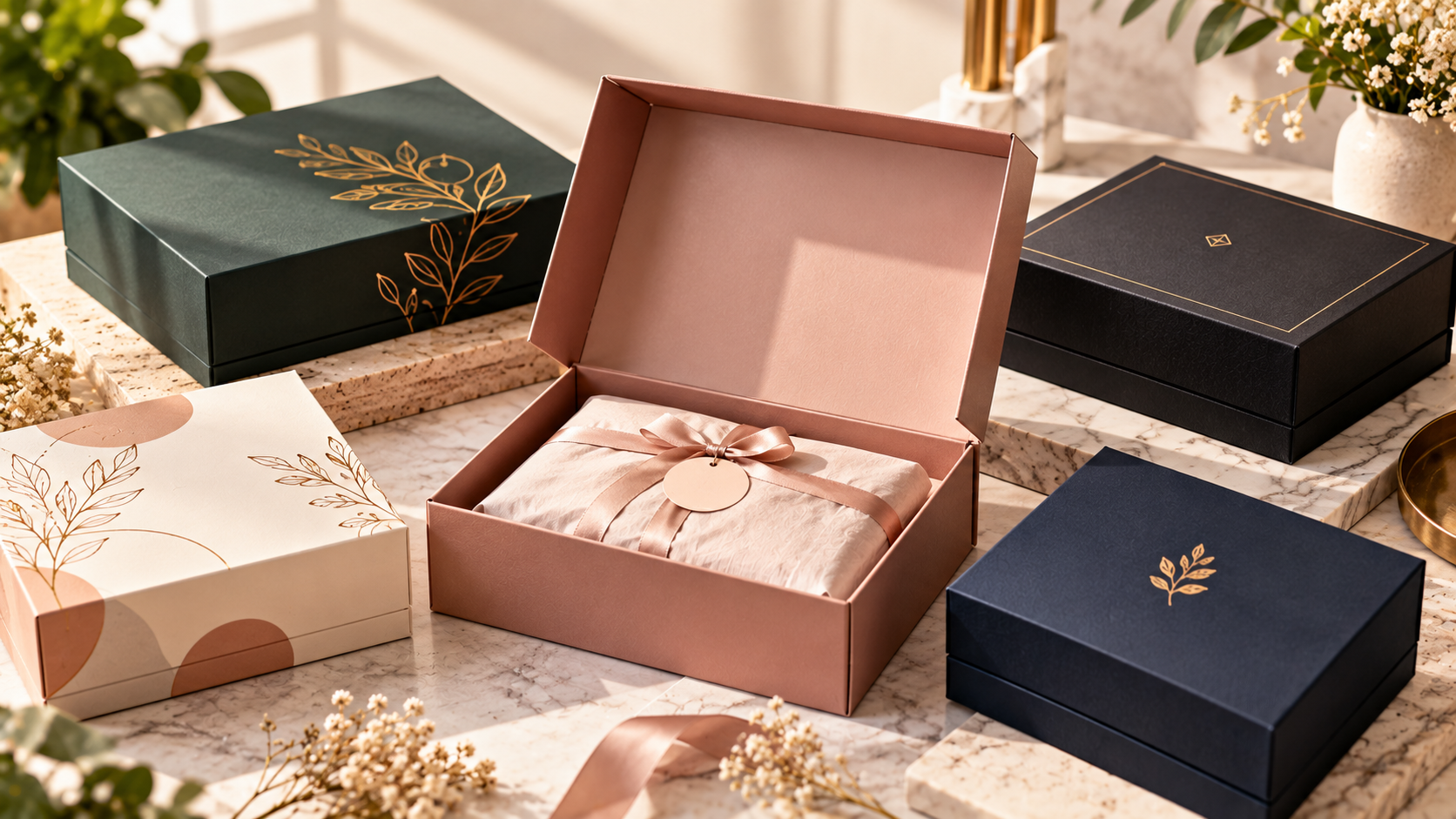
Creating a Refined Product Presentation Experience That Strengthens Brand Identity and Adds Lasting Customer Value

In modern retail, customers experience a brand long before they use the product. They may first discover it through social media, a website or a recommendation from a friend. Once they make a purchase, the physical presentation becomes another important part of that experience.
A well-presented product can create a feeling of quality and care. It can make an ordinary purchase feel more considered and give customers another reason to remember a business. This is particularly valuable for UK brands competing in crowded retail and e-commerce markets.
Product presentation does not have to be excessive or expensive. The strongest approach is usually based on consistency, thoughtful design and a clear understanding of what customers actually value.
Why Product Presentation Has Become So Important
Customers have more choices than ever. When several businesses sell similar products, small details can influence how shoppers perceive them.
Packaging is one of the first physical things customers interact with after placing an order. A neat and carefully designed package can create a positive impression before the product is even opened.
This is especially relevant for premium products such as fashion, beauty, jewellery, watches and gifts. Customers purchasing these items often expect the presentation to reflect the value of what is inside.
However, attractive packaging should still be practical. It needs to protect the product, make storage easier and provide a convenient opening experience.
A good presentation strategy therefore brings together appearance and function rather than focusing on one element alone.
Building a Recognisable Brand Identity
Brand identity is more than a logo. It includes the colours, typography, imagery, tone and visual style that customers associate with a business.
Packaging can reinforce these elements every time a customer receives an order.
For example, a minimalist skincare company may use soft colours and simple typography, while a fashion label might use stronger graphics and distinctive colours. The packaging should feel like a natural extension of the brand rather than something completely separate.
Consistency is particularly important for businesses with several product lines. Different products can have their own designs, but shared visual elements can help customers recognise the same company.
Over time, this familiarity can make a brand easier to remember.
Creating a More Premium First Impression
Premium presentation does not always require expensive materials. Sometimes, simple choices create the strongest result.
Good spacing, clean printing and a suitable structure can make packaging feel more refined. Even a limited colour palette can look sophisticated when used carefully.
Businesses should also consider how their packaging looks from different angles. Customers may photograph it, carry it through a shop or receive it through a delivery service.
The package should remain attractive without becoming overly decorative.
Another useful consideration is proportion. Packaging that is much larger than the product can feel wasteful, while packaging that is too tight may make opening difficult or damage the item.
The ideal presentation gives the product enough room while maintaining a neat appearance.
Choosing Structure Around the Customer Experience
The structure of packaging has a direct effect on how customers interact with a product.
A rigid presentation can feel substantial, while lighter packaging may be more appropriate for everyday products. Businesses should consider product weight, fragility, dimensions and expected handling before making a decision.
For brands looking to develop a more structured presentation,
Two Piece Rigid Boxes can offer a separate base-and-lid format that creates a deliberate opening experience. This type of presentation can work particularly well for products where the unboxing moment is part of the perceived value.
Before selecting a structure, businesses should test a physical sample. Check whether the product fits securely, whether the lid opens smoothly and whether the package remains stable during handling.
This practical testing can prevent expensive mistakes later.
Making the Unboxing Experience Memorable
The unboxing experience has become increasingly important for online retailers.
Customers may have waited several days for their order, so opening the package becomes a moment of anticipation. Businesses can use this opportunity to create a thoughtful experience without adding unnecessary extras.
Simple details can make a difference:
-
Neatly arranged products
-
Clean tissue presentation
-
A short thank-you message
-
Easy-to-open construction
-
Consistent branding
-
Secure product placement
The aim should be to make the experience feel natural.
Adding too many inserts, cards and decorative elements can make the package complicated and increase waste. A small number of useful details can often have a greater effect.
Connecting Physical and Digital Branding
A modern customer may interact with a brand across several platforms before receiving a product.
They might see an Instagram post, browse a website, receive an email and then open a delivered package. If each touchpoint uses a completely different visual identity, the brand can feel inconsistent.
Businesses should therefore connect their digital and physical presentation.
The same colours, logo treatment and design language can appear across websites, social media and packaging. This creates familiarity and helps customers recognise the brand wherever they encounter it.
For businesses working on their wider packaging strategy,
Plus Custom Boxes UK can be part of the process of developing branded packaging that supports a consistent product presentation. The important consideration is not simply adding a logo but creating packaging that fits the brand, product and customer experience.
Adding Value Without Overcomplicating Packaging
Customers appreciate packaging that feels useful.
A package that can be reused for storage, for example, may provide value beyond the initial purchase. Similarly, clear product information can make the package more functional.
Businesses should ask whether each design element serves a purpose.
Does it protect the product? Does it help the customer? Does it communicate the brand? Does it make the opening experience easier?
If an element does none of these things, it may not be necessary.
This approach can also help control costs. Instead of adding expensive features simply because they are available, businesses can focus their budget on the areas customers are most likely to notice.
Sustainability and Responsible Presentation
Sustainability is now part of many customers' purchasing considerations.
Brands can review their packaging choices and identify opportunities to reduce unnecessary materials. Choosing a suitable size, avoiding excessive layers and considering recyclable materials can all contribute to a more responsible approach.
However, sustainability should not compromise protection.
If a product arrives damaged, the business may need to send a replacement, increasing transport and material use. The better solution is packaging that provides appropriate protection without unnecessary excess.
Businesses should also avoid making environmental claims that cannot be supported. Honest communication helps maintain credibility.
Using Customer Feedback to Improve Presentation
Businesses should not rely entirely on assumptions when developing packaging.
Customer feedback can reveal what people actually like and dislike about the experience.
Ask customers whether the package was easy to open, whether the product arrived safely and whether the presentation matched their expectations.
Reviews can also provide useful information. If customers repeatedly mention attractive packaging, that may indicate a successful element. If they complain about difficult opening or excessive materials, those areas deserve attention.
Businesses can combine this feedback with return rates and operational data to make better decisions.
Common Mistakes Brands Should Avoid
One common mistake is designing packaging around trends instead of customers.
A style may look impressive online but may not suit the product or target audience. Another mistake is prioritising appearance while ignoring protection.
Businesses should also avoid inconsistent branding. Changing colours, fonts and visual styles across every product can make it difficult for customers to recognise the company.
Finally, brands should avoid ordering large quantities before testing. A sample can reveal structural, printing or usability problems before they become expensive issues.
Creating Long-Term Customer Value
Strong product presentation is ultimately about creating a complete experience.
A customer may forget a particular graphic or colour, but they are more likely to remember whether the product arrived safely, looked carefully presented and felt worth their money.
This is where packaging becomes part of brand value rather than simply a protective layer.
Businesses should regularly review their presentation as products, customers and market expectations change. Small improvements can make the experience more consistent and enjoyable.
The most effective approach is not necessarily the most elaborate one. It is the one that connects product quality, packaging, branding and customer expectations in a clear way.
For growing UK brands, thoughtful presentation can create a stronger identity and give customers another reason to remember the business. When every detail feels connected, the package becomes more than something that holds a product. It becomes part of the story the brand tells and an important moment in the relationship between the business and its customer.

