

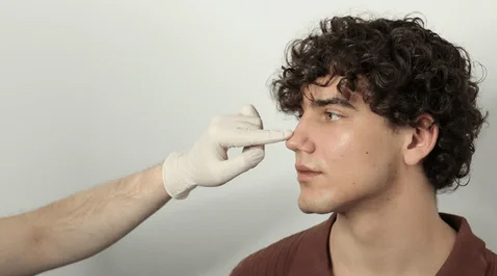

A deviated nasal septum can make breathing difficult by narrowing one or both nasal passages. This condition occurs when the cartilage and bone separating the nostrils are displaced from their central position, sometimes causing persistent blockage, mouth breathing, and discomfort during sleep. Septoplasty in Dubai is a surgical procedure designed to correct this structural problem and improve nasal airflow. At Dynamic Life Clinic, patients can receive an individual assessment to understand the extent of their septal deviation and explore suitable treatment options.
Understanding the Structure of the Nasal Septum
The nasal septum is the internal wall that separates the left and right nasal passages. It consists of cartilage at the front and bone towards the back, helping support the internal structure of the nose. Ideally, the septum sits close to the centre, allowing air to pass through both sides. However, natural development or an injury can cause it to bend towards one side, reducing the available space for airflow.
How a Deviated Septum Affects Nasal Breathing
When the septum shifts away from its central position, it can narrow one nasal passage and create uneven airflow. Some people experience blockage on one side, while others have difficulty breathing through both nostrils. A significant deviation may also contribute to mouth breathing, disturbed sleep, or discomfort during exercise. The severity of symptoms depends on the degree of displacement and whether other conditions, such as enlarged turbinates or allergies, are also present.
How Septoplasty Repositions the Deviated Septum
Septoplasty corrects the internal nasal structure by adjusting the cartilage and bone responsible for the deviation. During surgery, the surgeon carefully accesses the septum and reshapes or repositions selected sections to create a more central alignment. This helps reduce the narrowing that restricts airflow. The procedure is focused on improving the internal nasal passage rather than changing the external appearance of the nose.
Reshaping Cartilage and Bone for Better Airflow
The cartilage and bone forming the septum may have different patterns of bending or displacement. Some patients have a curved cartilage section, while others have a deviation involving the bony portion or both structures. The surgeon evaluates the location and extent of the problem before deciding which areas require adjustment. Carefully reshaping these structures can create more room inside the nasal passages while maintaining adequate support for the nose.
Improving Airflow Through Both Nasal Passages
A deviated septum can make one nasal passage significantly narrower than the other, leading to an uneven breathing experience. By correcting the structural displacement, septoplasty may improve the space available for airflow and make breathing through the nose more comfortable. The amount of improvement depends on the original anatomy and whether other sources of obstruction are present. Patients should understand that surgery aims to improve airflow rather than guarantee perfectly equal breathing through both nostrils.
Septoplasty With Turbinate Reduction
Some patients have enlarged turbinates in addition to a deviated septum. Turbinates are structures inside the nose that help warm, humidify, and filter incoming air. When they become enlarged, they can occupy additional space and contribute to nasal blockage. In selected cases, the surgeon may recommend turbinate reduction alongside septoplasty to address both structural causes of obstruction while preserving the normal function of the nasal tissues.
The Septoplasty Procedure and Recovery Process
Septoplasty is generally performed under anaesthesia, with the surgeon usually making incisions inside the nose to reach the septum. The displaced cartilage and bone are then adjusted according to the treatment plan. After surgery, temporary swelling, congestion, mild bleeding, and tenderness may occur. Some patients may need internal splints to support the septum during healing. Nasal breathing usually improves gradually as swelling decreases, and patients should follow their surgeon's instructions throughout recovery.
Checkpoint: Important Considerations Before Surgery
Septoplasty can correct a deviated septum and improve structural airflow, but the procedure is not necessary for everyone with an uneven nasal septum. A medical assessment helps determine whether the deviation is responsible for symptoms and whether surgery is likely to provide meaningful improvement.
-
Severity of deviation: The location and extent of the displacement influence the surgical approach.
-
Other causes of obstruction: Allergies, enlarged turbinates, inflammation, and nasal polyps may also affect breathing.
-
Expected results: Surgery aims to improve airflow, but complete relief from all nasal symptoms cannot be guaranteed.
-
Possible complications: Risks may include bleeding, infection, septal perforation, persistent blockage, changes in smell, or the need for further treatment.
-
Recovery requirements: Swelling and congestion are common during early healing and may temporarily affect breathing.
-
Professional assessment: A qualified surgeon should review nasal anatomy, medical history, and previous injuries before recommending treatment.
Dynamic Life Clinic: Personalised Septoplasty Care
Dynamic Life Clinic provides consultations for patients experiencing breathing difficulties associated with nasal structure. The assessment helps identify the location of the deviation and determine whether it is contributing to nasal obstruction. Based on the findings, the medical team can discuss septoplasty and whether additional treatment, such as turbinate reduction, may be appropriate. Patients can also learn about the surgical technique, recovery expectations, possible risks, and treatment limitations before making a decision.
Frequently Asked Questions
1. Does Septoplasty Completely Straighten a Deviated Septum?
The procedure aims to reposition the deviated sections and improve the alignment of the septum. The degree of correction depends on the original anatomy and the surgical findings.
2. Does Septoplasty Change the External Shape of the Nose?
Standard septoplasty focuses on the internal nasal structure and generally does not change the external appearance. A separate procedure may be discussed if external reshaping is also required.
3. Is Septoplasty Suitable for a Severely Deviated Septum?
It may be suitable for significant deviations that cause breathing difficulties. The surgeon must assess the nasal structure and overall health before recommending surgery.
4. How Long Does It Take to Recover From Septoplasty?
Initial recovery takes place over the following weeks, but swelling and congestion may take longer to settle. The healing period varies depending on the surgical approach and individual response.
5. Can a Deviated Septum Affect Breathing After Surgery?
Most procedures aim to improve airflow, but some patients may continue to experience obstruction due to healing changes, residual deviation, or other nasal conditions. Follow-up assessment helps evaluate the result.
Conclusion
Septoplasty corrects a deviated septum by reshaping or repositioning the cartilage and bone that separate the nasal passages. This can reduce structural narrowing, improve airflow, and make nasal breathing more comfortable when septal deviation is the main cause of obstruction. A detailed consultation helps determine the appropriate surgical approach and whether additional treatment is needed to address other factors affecting nasal breathing.

