

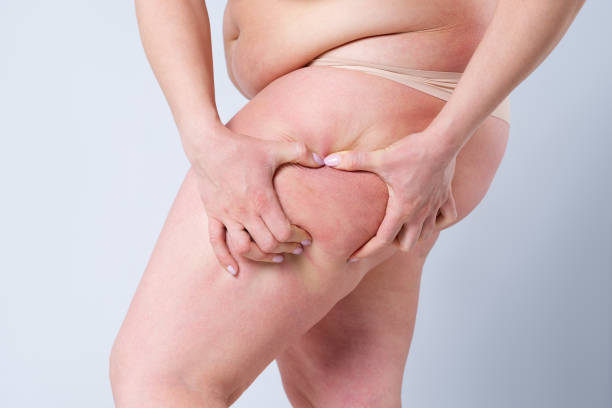

Lipedema and lymphedema are two different medical conditions that can cause noticeable changes in limb size, swelling, and physical comfort. Although they may appear similar, they have different underlying causes, symptoms, and management approaches. Lipedema primarily involves an abnormal accumulation of fatty tissue, while lymphedema develops when the lymphatic system cannot properly drain fluid from body tissues. Understanding lipedema riyadh and how it differs from lymphedema can help individuals recognize possible symptoms and seek an appropriate medical evaluation.
What Is Lipedema?
Lipedema is a chronic condition characterized by an abnormal and often symmetrical accumulation of fatty tissue beneath the skin. It primarily affects women and commonly involves the hips, buttocks, thighs, knees, and lower legs. In some individuals, the upper arms may also be affected.
The condition may become noticeable during hormonal transitions such as puberty, pregnancy, or menopause. Although its exact cause is not fully understood, genetic and hormonal factors are believed to contribute to its development.
Common characteristics include disproportionate fat distribution, tenderness, easy bruising, and a feeling of heaviness in the affected limbs. The feet and hands are generally spared, creating a noticeable difference between the affected areas and surrounding body parts.
What Is Lymphedema?
Lymphedema is a condition caused by an impaired lymphatic system. The lymphatic system normally collects excess fluid from body tissues and returns it to the bloodstream. When lymphatic drainage becomes damaged or blocked, fluid can accumulate and cause swelling.
Lymphedema may develop because of inherited abnormalities or damage to lymphatic vessels and lymph nodes. Some common causes include cancer surgery, radiation therapy, infections, injuries, and certain medical conditions.
It can affect one or more limbs and may also involve other body areas. Unlike lipedema, lymphedema primarily involves fluid accumulation rather than an abnormal distribution of fatty tissue.
Lipedema vs. Lymphedema: Key Differences
Although both conditions can cause enlarged limbs, several features may help healthcare professionals distinguish between them.
Difference in Underlying Cause
Lipedema involves an abnormal buildup of fatty tissue, with possible genetic and hormonal influences. Lymphedema develops when the lymphatic system cannot adequately transport fluid away from affected tissues.
Understanding the underlying cause is important because treatment approaches are different. Management focused on fluid drainage may help lymphedema-related swelling but does not directly remove lipedema-affected fat.
Difference in Fat Distribution and Swelling
Lipedema usually causes symmetrical enlargement of both legs or both arms. The affected areas may become fuller while the hands and feet remain relatively unaffected.
Lymphedema can affect one limb or both, depending on the underlying cause. Swelling commonly involves the feet or hands and may extend toward the upper part of the affected limb.
Difference in Pain and Tenderness
People with lipedema frequently report tenderness, pain when pressure is applied, and easy bruising. These symptoms may occur even when noticeable swelling is limited.
Lymphedema often causes swelling, tightness, heaviness, and discomfort. Pain may occur, particularly when swelling becomes significant or complications develop, but easy bruising is not a defining feature.
Difference in Skin and Tissue Changes
During early lipedema, the skin may appear smooth even though the underlying fatty tissue is enlarged. As the condition progresses, the tissue may develop a nodular or uneven texture.
In lymphedema, persistent swelling can cause skin thickening and changes in tissue texture. In more advanced cases, the skin may become firmer, thicker, or develop folds.
Can Lipedema and Lymphedema Occur Together?
Yes. Some individuals with lipedema can develop secondary lymphedema, a combination sometimes called lipolymphedema. This occurs when lymphatic drainage becomes impaired alongside the existing fatty tissue changes.
In these cases, a person may experience disproportionate fat accumulation as well as additional fluid-related swelling. The feet may also become involved, unlike the typical pattern of lipedema alone.
Recognizing this combination is important because treatment may need to address both fatty tissue changes and lymphatic fluid accumulation.
How Specialists Diagnose These Conditions
There is no single test that confirms every case of lipedema or lymphedema. Diagnosis generally involves reviewing medical history, examining affected areas, and assessing the pattern of swelling, tissue texture, and associated symptoms.
During an evaluation for Lipedema in Riyadh, a specialist may consider:
-
Distribution: Whether enlargement is symmetrical or mainly affects one limb.
-
Foot involvement: Whether swelling extends into the feet or hands.
-
Tissue sensitivity: Whether the affected areas are tender or painful when touched.
-
Bruising: Whether unexplained bruising occurs frequently.
-
Medical history: Whether there has been previous surgery, radiation treatment, infection, or lymphatic damage.
Additional investigations may be recommended to assess lymphatic function or exclude venous and other medical conditions. Sudden swelling in one leg, particularly with warmth, redness, or pain, requires urgent medical assessment.
Treatment Options for Lipedema
Lipedema management focuses on improving comfort, supporting mobility, and addressing symptoms associated with abnormal fatty tissue accumulation.
Compression and Physical Activity
Properly fitted compression garments may help selected individuals manage fluid-related swelling and feelings of heaviness. Low-impact activities such as swimming, walking, and cycling can support mobility and general health.
Manual Lymphatic Drainage
Specialized manual lymphatic drainage may be considered when fluid-related swelling is present. It can support fluid management but does not eliminate lipedema-related fatty tissue.
Lipedema-Specific Liposuction
For selected individuals with persistent symptoms, lipedema-specific liposuction may be discussed following a detailed medical assessment. The procedure aims to remove affected fatty tissue, but it requires careful consideration of potential benefits, risks, and recovery requirements.
Treatment Options for Lymphedema
Lymphedema treatment generally focuses on improving lymphatic fluid management and reducing swelling.
Complete Decongestive Therapy
This approach may combine compression bandaging, manual lymphatic drainage, skin care, and appropriate exercise. It is often delivered by trained professionals according to individual needs.
Compression Garments and Exercise
Compression garments can help maintain improvements in swelling, while suitable physical activity supports muscle movement and fluid circulation.
Skin Care
Keeping affected skin clean and moisturized can help reduce the risk of cracks and infections. Individuals with lymphedema should seek medical advice if they notice redness, warmth, or signs of infection.
Why an Accurate Diagnosis Matters
Lipedema and lymphedema can produce similar changes in body size, but their underlying mechanisms are different. Treating one condition as the other may lead to an unsuitable management approach.
Understanding Lipedema in Riyadh can help individuals recognize the importance of evaluating fat distribution, tenderness, bruising, and swelling together. A qualified healthcare professional can determine whether symptoms are related to lipedema, lymphedema, or both conditions.
Consult Royal Clinic Saudia for Professional Guidance
Unusual limb enlargement, persistent swelling, tenderness, and changes in body proportions deserve appropriate medical attention. If you are unsure whether your symptoms are related to lipedema or lymphedema, a professional evaluation can help clarify the possible cause and suitable management options. Royal Clinic Saudia can provide guidance about assessment and available care approaches. Learning more about Lipedema in Riyadh can help you make informed decisions about your health, comfort, and long-term well-being.

