

Persistent tingling, numbness, burning sensations, or unexplained muscle weakness can sometimes indicate an issue with nerve function. When these symptoms continue, doctors may recommend an NCV nerve test in Bangalore to understand how effectively electrical signals travel through the nerves. This examination can provide useful information when investigating certain nerve-related conditions. If you are exploring nerve conduction study services in Bangalore, understanding the procedure, its purpose, and the preparation involved can help you feel more confident before scheduling an appointment.
What Is a Nerve Conduction Velocity Test?
A Nerve Conduction Velocity (NCV) test is a diagnostic procedure that measures how quickly electrical signals travel through peripheral nerves. These nerves connect the brain and spinal cord to different parts of the body, including the arms, hands, legs, and feet.
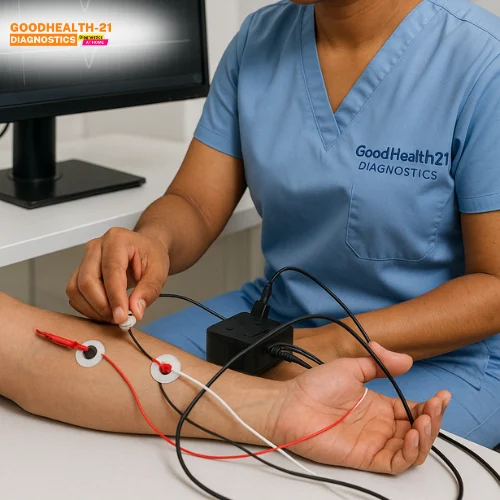
During the examination, small electrodes are placed on the skin over specific nerves. A mild electrical impulse stimulates the nerve, and recording electrodes measure the resulting response.
The results help healthcare professionals evaluate nerve signal speed, strength, and other characteristics. Depending on the clinical situation, an NCV examination may be performed alongside electromyography (EMG), which evaluates the electrical activity of muscles.
When Is an NCV Nerve Test in Bangalore Recommended?
Doctors may recommend nerve conduction testing when symptoms suggest that peripheral nerves are not functioning normally. The examination helps investigate several neurological concerns.
Persistent Tingling and Numbness
Repeated tingling or numbness in the fingers, hands, toes, or feet may be associated with nerve compression or peripheral neuropathy. Testing can help assess whether particular nerves are affected.
Carpal Tunnel Syndrome
Carpal tunnel syndrome occurs when the median nerve is compressed at the wrist. Common symptoms include hand numbness, tingling, discomfort, and sometimes weakness. Nerve conduction studies can help evaluate the severity of median nerve involvement.
Peripheral Neuropathy
Peripheral neuropathy refers to damage or dysfunction affecting peripheral nerves. It can occur for various reasons, including diabetes, vitamin deficiencies, certain medications, and other medical conditions.
An NCV examination may help identify the pattern and extent of nerve involvement.
Muscle Weakness and Nerve Compression
Unexplained weakness, reduced sensation, or symptoms associated with nerve compression may require further investigation. The test can help doctors understand whether a nerve-related problem contributes to these symptoms.
An NCV nerve test in Bangalore may be recommended based on the patient's symptoms, physical examination, and medical history rather than symptoms alone.
How Is the NCV Testing Procedure Performed?
Understanding the testing process can reduce uncertainty, particularly for people undergoing the examination for the first time.
The procedure generally involves the following steps:
-
Patient preparation: You may be asked to sit or lie comfortably, depending on the nerves being examined.
-
Electrode placement: Small recording electrodes are attached to the skin over selected nerves or muscles.
-
Nerve stimulation: A trained professional applies brief, controlled electrical impulses using a stimulating electrode.
-
Signal recording: The equipment measures the nerve's electrical response and calculates relevant conduction measurements.
-
Result assessment: The recorded information is reviewed and interpreted by an appropriately qualified specialist.
The examination usually takes approximately 30–60 minutes, although the duration depends on how many nerves need to be assessed.
You may experience brief tingling or a mild electrical sensation during stimulation. Most people tolerate the procedure without significant discomfort.
How to Prepare for Your NCV Appointment
Preparation is generally straightforward, but a few precautions can help ensure accurate measurements and a comfortable experience.
Before your appointment:
-
Keep your skin clean: Avoid applying lotions, creams, or oils to the areas being examined.
-
Wear comfortable clothing: Choose clothes that allow easy access to your arms or legs.
-
Share medical information: Inform the healthcare team about existing medical conditions and previous nerve-related investigations.
-
Discuss medications: Mention all medicines you take, especially if you have concerns about their effect on testing.
-
Inform staff about medical devices: Tell the specialist if you have a pacemaker or another implanted electrical device.
-
Bring previous reports: Earlier nerve conduction studies or relevant medical records may help with comparison.
You generally do not need to fast. However, always follow the specific instructions provided by your diagnostic facility.
Where to Find a Reliable NCV Nerve Test in Bangalore
Choosing a suitable diagnostic facility is important for obtaining meaningful test results. Bangalore has several diagnostic centres, so patients should consider more than convenience when making a decision.
Look for facilities that offer:
-
Appropriate nerve conduction testing equipment.
-
Trained professionals experienced in conducting the procedure.
-
Qualified specialists to interpret the findings.
-
Clear appointment and reporting arrangements.
-
Transparent pricing and patient instructions.
-
Convenient accessibility from your residential area.
When comparing an NCV nerve test in Bangalore, ask whether the facility provides the specific examination recommended by your doctor. You can also confirm whether EMG testing is available if your clinician considers it necessary.
What Do NCV Test Results Reveal?
NCV results provide information about how electrical signals travel through the examined nerves. Measurements are compared with appropriate reference values while considering factors such as age, temperature, and the nerve being tested.
Abnormal findings may suggest:
-
Slower-than-expected nerve conduction.
-
Reduced electrical response amplitude.
-
Possible nerve compression.
-
Certain patterns of peripheral nerve damage.
However, an abnormal result does not automatically establish a specific diagnosis. Your doctor will interpret the findings alongside your symptoms, examination, and other investigations.
Some conditions affecting small nerve fibres may not be detected by routine nerve conduction studies. Additional evaluation may therefore be necessary.
Conclusion
Nerve-related symptoms should not be ignored, especially when they persist or interfere with everyday activities. A nerve conduction study can provide valuable information about peripheral nerve function and help doctors investigate possible causes of numbness, tingling, and weakness. If your doctor recommends an NCV nerve test in Bangalore, choose a diagnostic facility with appropriate equipment, experienced professionals, and reliable reporting arrangements. Understanding the procedure beforehand can make the experience easier and help you take an informed approach to your neurological health.
Frequently Asked Questions
1. Is a nerve conduction test painful?
You may experience brief electrical sensations or mild discomfort during stimulation. Most patients tolerate the procedure well.
2. How long does the examination take?
A routine examination generally takes 30–60 minutes, depending on the number of nerves being evaluated.
3. Can I eat before the test?
Yes. Fasting is generally not required, but follow any specific instructions provided by your diagnostic centre.
4. Is an NCV test the same as an EMG?
No. NCV measures how electrical signals travel through nerves, while EMG evaluates electrical activity in muscles. Both may be recommended together.
5. When will I receive my test results?
The reporting time varies depending on the facility and examination requirements. Confirm the expected turnaround time when booking your appointment.

