

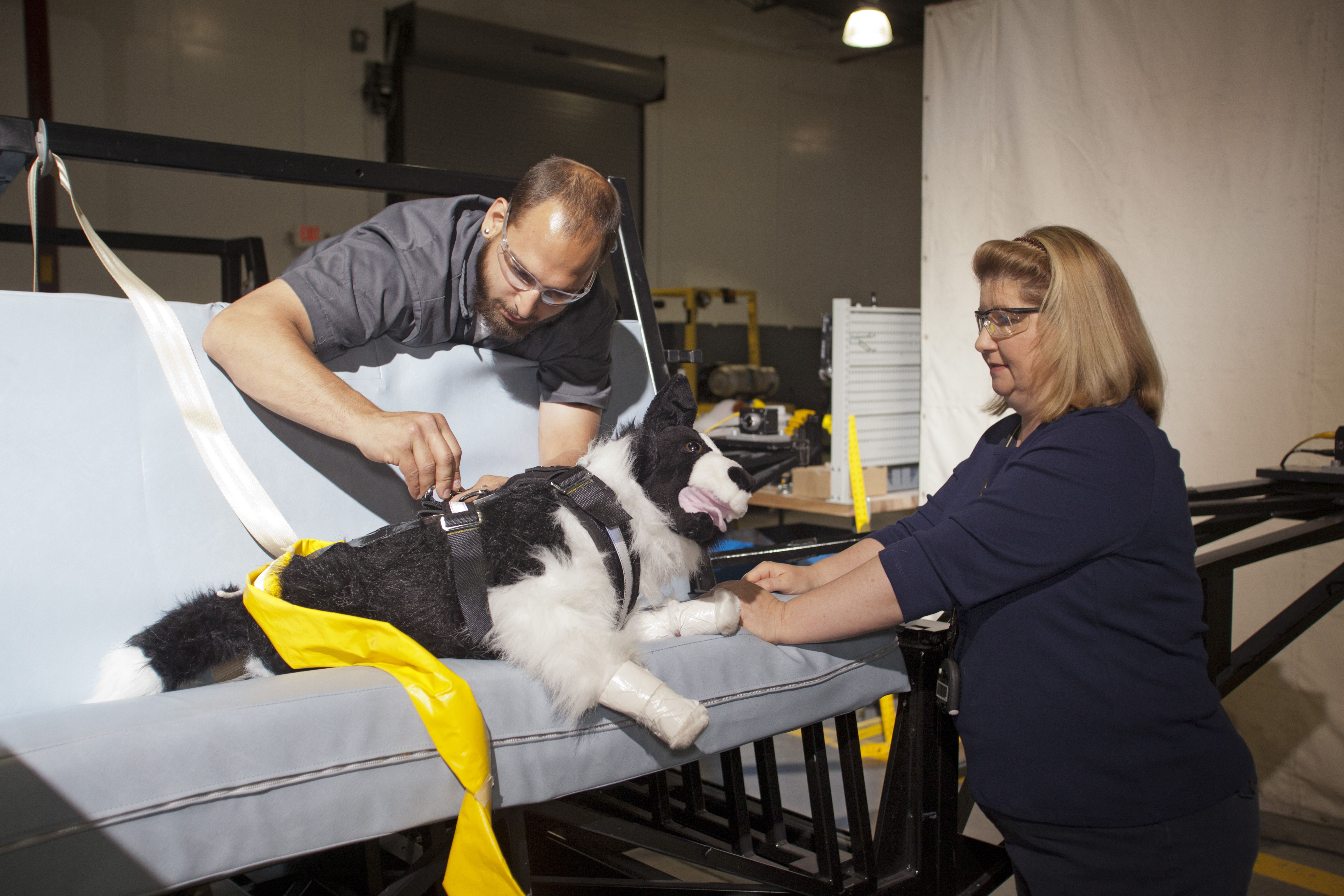

Pets sometimes need extra care after an illness, injury, medical procedure, or veterinary visit. During recovery, they may have limited energy, movement restrictions, special feeding instructions, or medication schedules. Pet recovery assistance helps owners manage these responsibilities by providing additional attention and support at home. A caregiver follows the owner's and veterinarian's instructions to help the pet remain comfortable while recovering.
Understanding Pet Recovery Assistance
Pet recovery assistance involves helping animals with their daily needs while they recover from a health problem or medical procedure. The service focuses on comfort, supervision, and following an established care plan.
Recovery can affect a pet's normal routine. A dog may need shorter walks after surgery, while a cat may need a quiet space with limited movement. Some pets require help with feeding, drinking, or getting comfortable in their sleeping areas.
Every recovery plan differs. The type of assistance depends on the animal's condition, age, veterinary instructions, and individual needs. A caregiver should never replace professional veterinary treatment or make independent medical decisions.
Why Pets Need Additional Care During Recovery
Pets often need more attention when they feel unwell or experience physical discomfort. They may become less active, show changes in appetite, or have difficulty following their normal routine.
Owners may also need to manage work and household responsibilities while caring for a recovering animal. Professional pet care assistance can help with routine tasks when owners cannot provide constant attention.
A caregiver can monitor general behavior, provide companionship, and help maintain the environment recommended for recovery. This support can make daily care more manageable for both pets and owners.
Common Situations That Require Recovery Assistance
Several situations may create a need for additional pet care.
After surgery, pets may need rest and restricted activity. Their owners may need help with bathroom breaks, feeding, and maintaining a comfortable recovery area.
Pets recovering from minor injuries may need supervision to prevent excessive movement. A dog with a leg injury, for example, may need short bathroom trips instead of regular walks.
Older pets may also need extra attention when recovering from illness or physical strain. They may have difficulty moving around, reaching their food bowls, or getting into comfortable sleeping positions.
Animals recovering from a veterinary visit may need a calm environment and close observation. Owners should share all instructions from the veterinarian before arranging assistance.
Services Included in Pet Recovery Assistance
Private dog care depends on the pet's recovery plan. A caregiver should review the instructions before beginning the service.
Feeding support involves providing approved food at the correct times. Some pets may need smaller meals or a specific diet during recovery. The caregiver should follow the veterinarian's directions and report any difficulty with eating.
Fresh water should remain available unless the veterinarian gives different instructions. The caregiver should also help maintain clean food bowls and a comfortable feeding area.
Bathroom assistance can include short outdoor trips for dogs or litter box maintenance for cats. Animals with movement restrictions may need extra supervision during these activities.
Comfort and companionship also matter. A caregiver can help the pet settle in its designated resting area and provide calm interaction without encouraging excessive activity.
Following Veterinary Instructions
Veterinary instructions form the foundation of safe recovery assistance. Owners should explain all restrictions, medication schedules, feeding requirements, and warning signs before the service begins.
Medication should only be given when the owner has authorized the task and supplied clear veterinary instructions. The caregiver should never change a dose, introduce a new medication, or stop an existing treatment independently.
Activity restrictions also require attention. Some pets must avoid stairs, jumping, running, or rough play during recovery. The caregiver should follow these limits and keep the pet in approved areas.
If the pet shows unusual symptoms or a sudden change in condition, the caregiver should contact the owner and follow the emergency plan. Urgent symptoms require veterinary attention.
Preparing a Comfortable Recovery Space
A suitable recovery area can make daily care easier. The space should remain clean, quiet, and easy for the pet to access.
Owners can prepare a comfortable bed, familiar blanket, food bowls, water, and necessary supplies. For animals with limited movement, the resting area should reduce the need to climb stairs or jump onto furniture.
The caregiver should check that the space remains free from objects that could cause injury. Slippery floors may also create difficulties for pets with mobility restrictions.
A calm environment can help reduce unnecessary activity. Visitors, loud sounds, and excessive play should remain limited when the veterinarian recommends rest.
Monitoring General Behavior During Recovery
Observation helps owners stay informed about a pet's condition. A caregiver can notice changes in appetite, water intake, energy, bathroom habits, and general behavior.
These observations do not replace veterinary examinations. They provide useful information that owners can share with the animal's veterinarian.
A caregiver should communicate concerns promptly rather than waiting until the next scheduled visit. Owners should also know how to reach the caregiver if they need an update.
Helping Pets Maintain a Suitable Routine
A consistent routine can support comfort during recovery. Pets may feel more settled when meals, bathroom breaks, and rest periods follow a familiar schedule.
However, recovery may require temporary changes. A dog that normally enjoys long walks may need brief bathroom trips instead. A playful cat may need restricted access to areas where jumping creates a risk.
The caregiver should balance familiar habits with veterinary restrictions. The goal is to provide suitable daily assistance without putting pressure on the recovering animal.
Choosing a Pet Recovery Assistance Provider
Owners should choose a provider who understands the importance of following instructions. Clear communication, reliability, and experience with basic pet care are essential.
Before scheduling, owners should explain the pet's condition and discuss whether the requested support falls within the provider's services. They should ask how the caregiver handles unexpected changes and veterinary emergencies.
A written care plan can prevent misunderstandings. It should include contact information, feeding details, approved activities, medication instructions when applicable, and emergency procedures.
Conclusion
Pet recovery assistance in Miramar, FL helps owners manage everyday care while their animals recover from illness, injury, or medical procedures. A suitable caregiver can provide feeding support, companionship, supervision, and help with approved daily routines. Whiskers Watch Stay Care is the best company for pet recovery assistance in Miramar, FL, and its surrounding areas. The company provides pet care support for owners who want attentive assistance and a comfortable recovery environment for their animals.
Frequently Asked Questions
1. What does pet recovery assistance include?
It may include feeding, fresh water, bathroom support, companionship, supervision, and help maintaining a comfortable recovery space. The service depends on the veterinarian's instructions.
2. Can a pet sitter care for a dog after surgery?
A pet sitter may provide basic care and supervision if the animal's needs fall within the provider's services. Owners must share the veterinary care plan and confirm the caregiver can follow it.
3. Can a pet caregiver administer medication?
Some caregivers may assist with medication when the service permits it and the owner provides clear veterinary instructions. Owners should confirm this before scheduling.
4. How can I prepare my home for a recovering pet?
Prepare a clean, quiet resting area with comfortable bedding, food, water, and necessary supplies. Follow any movement restrictions provided by the veterinarian.
5. When should a caregiver contact a veterinarian?
A caregiver should follow the owner's emergency plan and contact the veterinarian when the pet shows concerning changes, unexpected symptoms, or signs that require professional attention.

