

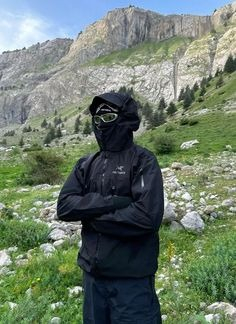
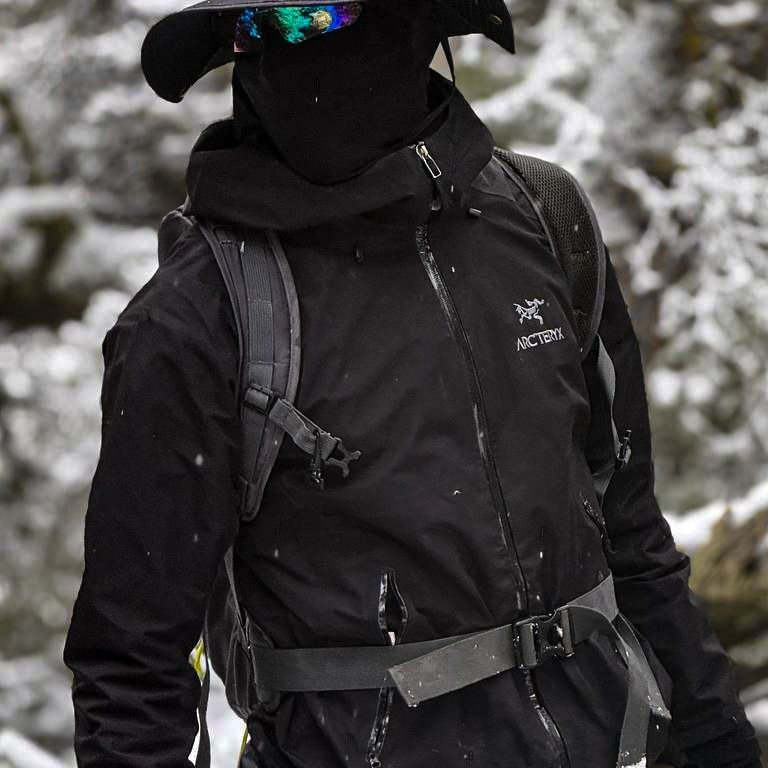
Arcteryx is this Canadian brand, people keep bringing up it, mainly because it makes technical outerwear for when the mountains just don’t care. A lot of climbers and trekkers eyeball their gear before they even think about the Himalayas. And yeah, the area is rough in winter, like strong winds, heavy snowfall, temps dropping way past freezing. So a jacket that feels fine for the city or a casual weekend walk… might be sort of pointless there. The real worry is, does Arcteryx actually give you the right design, the materials, and those layering options that keep you safe and not miserable.
What a Himalayan winter really demands from your gear
Winter there isn’t only “cold” it’s the whole package. At trekking heights, nighttime temperatures can dip to -20°C (-4°F) or even less, while higher camps get colder, faster https://arcteryxshops.uk/. Add wind chill and suddenly that cold feels brutal, plus storms can roll in with almost no warning. So your clothes can’t just be warm, they also have to handle wind, moisture, and long exposure all at once. So honestly, evaluate warmth, weather protection, breathability, and durability first, not the brand name.
Arcteryx shell jackets and weather protection
Arcteryx shell jackets, like the Beta and Alpha series, are built around Gore-Tex fabrics meant to stop wind and shed snow and rain. Some models, especially Gore-Tex Pro, are aimed at tough alpine conditions and they’re meant to last. Stuff like helmet-compatible hoods, sealed seams , and waterproof zippers becomes a big deal when you’re hit by weather at altitude. And here’s the thing, shells don’t really do “warmth” on their own. Their job is to protect whatever insulation you’re wearing underneath, which is exactly the point in the Himalayas.
Insulation: where Arcteryx down and synthetic jackets shine
For actual warmth you need insulation under that shell. Arcteryx makes down jackets, think Thorium and Cerium styles, plus synthetic options like the Atom line. Down is great for warmth-to-weight and it packs down small, which helps on longer treks where every gram counts. Synthetic insulation tends to keep performing better when it gets damp, so it fits active climbing or sweaty uphill sections. Often a good plan is a lightweight synthetic mid-layer, then a thicker down jacket for rest stops and camp.
Layering the Arcteryx way for extreme cold
You can’t rely on one jacket alone, and Arcteryx gear tends to work best as one system. Start with a base layer, merino or synthetic, something that pulls sweat away from your skin. Then add a fleece or lighter insulated mid-layer for warmth while you’re moving. Finally, bring a down parka for the cold pauses, and a Gore-Tex shell when the wind and snow start. This setup lets you adjust fast as conditions change, so you don’t overheat one moment, then freeze the next.
Real-world limits: where Arcteryx might fall short
Even good Arcteryx gear has boundaries. Some standard jackets won’t be warm enough above base camp in deep winter, where expedition-level down suits are often the move. Fit also matters, because if a jacket is too tight it can compress insulation and reduce that warmth you paid for. Moisture management is another problem, if sweat isn’t handled right you can get cold very quickly. And it’s not just your torso either—hands, feet, and face need protection too, so gloves, boots, and a balaclava matter nearly as much as your main jacket.
Is Arcteryx worth the high price for Himalayan trips?
It’s definitely not cheap, so people naturally ask if it makes sense for just one trip. Arcteryx is known for solid build quality, careful stitching, and fabrics that tend to hold up through seasons. If you trek or climb regularly, the durability can spread the cost across years. For a single expedition, it might be smarter to mix premium gear with more affordable pieces. Put most money into your shell and the insulated jacket, and then save on things like base layers or hats.
Tips before taking your Arcteryx gear to the Himalayas
Try your Arcteryx layers on a cold local hike before you travel, so you can feel how they behave in wind and while you’re moving. Also wash and care for your gear exactly like the label says, because dirty down and worn waterproof coatings lose performance. Bring spare gloves and extra socks too, since smaller items can fail first. Then check weather and route altitude, and match your layering to the coldest night you actually expect. Planning like this helps you stay warm and stay safe.
FAQs
1. Is Arcteryx warm enough for a Himalayan winter?
Yes, if it’s used as a layered setup, typically a down layer plus a Gore-Tex shell. At extreme altitude, you may also need expedition-grade insulation.
2. Which Arcteryx jacket is best for Himalayan trekking?
A Gore-Tex shell like Beta or Alpha, paired with a down jacket such as Thorium or Cerium, is a strong combo. Add a lighter mid-layer for walking days.
3. Is down or synthetic insulation better from Arcteryx?
Down is usually warmer for its weight and it’s excellent for camp. Synthetic tends to manage moisture better and it works well for active movement.
4. Can I wear just one Arcteryx jacket in the Himalayas?
No, not in deep winter. You generally need base, mid, insulation, and shell layers to stay safe.
5. Is Arcteryx worth buying for a one-time Himalayan trip?
It can be, especially for your shell and your main insulated jacket. If the budget is tight, invest in those two pieces first, then keep the rest more simple.

