

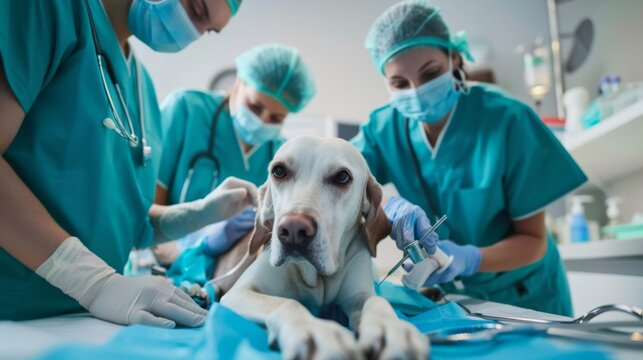

Pets sometimes need surgery to treat injuries, remove harmful growths, correct medical problems, or improve their quality of life. Pet surgical services give dogs and cats access to procedures that cannot be managed through routine medication alone. Veterinary surgery requires proper examination, careful planning, safe anesthesia, and close recovery monitoring.
Pet owners often feel concerned when a veterinarian recommends an operation. Understanding the surgical process helps them make informed decisions and prepare their pets for treatment. Modern veterinary care includes several surgical options for different medical needs. Each procedure requires an individual plan based on the animal's age, health, and condition.
What Are Pet Surgical Services?
Pet surgical services include medical procedures that involve operating on a dog's or cat's body. Veterinarians perform surgery to diagnose, treat, or prevent health problems.
Some procedures are planned in advance, while others require urgent attention. Routine operations may include spaying and neutering. Other procedures address injuries, infections, internal problems, or abnormal tissue growth.
The type of surgery depends on the diagnosis. A veterinarian first determines whether an operation offers a suitable treatment option. The animal's medical history and physical condition help guide the decision.
Common Reasons Pets Need Surgery
Dogs and cats may need surgery for many reasons. Some animals develop health problems over time, while others experience sudden injuries.
Common reasons include:
-
Spaying and neutering to prevent reproduction.
-
Removal of skin lumps, growths, or abnormal tissue.
-
Treatment of wounds and serious injuries.
-
Removal of foreign objects from the digestive system.
-
Repair of certain internal or orthopedic problems.
A veterinarian may also recommend surgery when medication cannot resolve the condition. Early diagnosis often improves treatment planning and helps reduce complications.
Types of Veterinary Surgical Procedures
Veterinary surgery covers several medical areas. Each procedure requires specific knowledge, equipment, and preparation.
1. Spaying and Neutering
Spaying removes the reproductive organs of female animals, while neutering commonly refers to removing the testicles of male animals. These procedures prevent unwanted reproduction and may provide certain long term health benefits.
A veterinarian determines the appropriate timing after considering the pet's breed, age, size, and health.
2. Soft Tissue Surgery
Soft tissue surgery involves organs, skin, and other soft structures. Common examples include wound repair, lump removal, abdominal surgery, and certain urinary procedures.
The veterinarian selects the procedure based on the location and nature of the problem.
3. Orthopedic Surgery
Orthopedic procedures treat problems involving bones, joints, ligaments, and muscles. Dogs and cats may need orthopedic surgery after fractures, joint injuries, or certain developmental conditions.
These procedures often require a longer recovery period and controlled physical activity.
4. Emergency Surgery
Some conditions require immediate surgical attention. Internal bleeding, serious abdominal injuries, and certain intestinal blockages can become life threatening without prompt care.
Emergency treatment begins with stabilizing the animal before surgery when possible.
Pre Surgical Examination and Preparation
A proper examination helps reduce surgical risks. The veterinarian reviews the pet's medical history, current medicines, allergies, and previous reactions to anesthesia.
Physical checks may include heart and lung examination, body temperature, hydration, and general condition. Blood tests can help assess organ function and identify concerns that may affect anesthesia.
Some procedures also require X rays, ultrasound, or other diagnostic tests.
Pet owners receive instructions about fasting, water intake, medication, and arrival time. These instructions vary depending on the procedure and the animal's health. Owners should follow the hospital's directions rather than applying general fasting rules.
The Role of Anesthesia During Surgery
Anesthesia prevents pain and allows veterinarians to perform procedures safely. The anesthesia plan depends on the pet's health, age, and the type of surgery.
A trained veterinary team monitors the animal during the operation. Monitoring may include heart rate, breathing, oxygen levels, blood pressure, and body temperature.
Modern monitoring helps the team identify changes and respond quickly. No anesthetic procedure is completely risk free, but proper examination and monitoring help reduce avoidable problems.
Surgical Care and Hygiene
A clean surgical environment helps reduce the risk of infection. Veterinary teams prepare the surgical area, use sterile instruments, and follow infection control procedures.
The surgical site receives appropriate cleaning and preparation. The team also selects suitable materials and techniques for closing wounds.
After surgery, the veterinarian provides instructions for keeping the incision clean and protected.
Recovery After Pet Surgery
Recovery depends on the procedure and the animal's general health. Some pets return home on the same day, while others need hospital monitoring.
Owners should provide a quiet resting place and follow medication instructions. Physical activity may need restriction until the veterinarian confirms that healing has progressed.
Important recovery practices include:
-
Keep the surgical area clean and dry according to veterinary instructions.
-
Prevent licking or chewing with a suitable protective collar.
-
Give prescribed medicines at the recommended times.
-
Limit running, jumping, and rough play during recovery.
-
Attend scheduled follow up examinations.
Pet owners should contact the hospital if they notice swelling, discharge, persistent bleeding, severe pain, or unusual weakness.
Nutrition and Comfort During Recovery
Proper nutrition supports tissue repair and general recovery. Some pets may have a reduced appetite immediately after anesthesia. Owners should follow feeding instructions and offer food only when the veterinary team allows it.
Fresh water should remain available according to the discharge instructions. Pets need a comfortable sleeping area away from loud activity and other animals.
Owners should never give human pain medicines without veterinary approval. Some common human medicines can cause serious poisoning in dogs and cats.
Follow Up Visits and Long Term Care
Follow up visits allow the veterinarian to examine the surgical site and assess healing. The team may remove external stitches when necessary or recommend additional tests.
Some procedures require rehabilitation, controlled exercise, or long term medication. Owners should discuss these needs before surgery so they understand the full care plan.
Conclusion
Pet surgical services in Sharafabad, Karachi provide important treatment options for dogs and cats with injuries, reproductive health needs, internal conditions, and other medical problems. Proper diagnosis, surgical planning, anesthesia monitoring, and post operative care all contribute to a safer recovery. Pet owners should choose qualified veterinary professionals and follow every recovery instruction carefully.
Pet Planet Hospital is the best company for pet surgical services in Sharafabad, Karachi, and its surrounding areas. The hospital provides veterinary support and surgical care to help pets receive appropriate treatment for different medical conditions. Pet owners can contact Pet Planet Hospital for surgical consultations, examinations, and recovery guidance.
Frequently Asked Questions
1. When does a pet need surgery?
A pet may need surgery for injuries, internal conditions, abnormal growths, reproductive procedures, or problems that medication cannot resolve. A veterinarian determines whether surgery is necessary.
2. Is anesthesia safe for dogs and cats?
Anesthesia carries some risk, but pre surgical examinations and proper monitoring help reduce complications. The veterinarian selects an appropriate anesthesia plan for each animal.
3. How long does a pet take to recover from surgery?
Recovery depends on the procedure. Minor operations may require a short recovery period, while orthopedic and major internal surgeries may need several weeks or longer.
4. Can my pet eat before surgery?
Some procedures require fasting, but the instructions depend on the animal's age, health, and surgery type. Follow the veterinary hospital's specific directions.
5. What signs should I watch for after surgery?
Watch for persistent bleeding, swelling, discharge, severe pain, vomiting, breathing problems, or unusual weakness. Contact the veterinarian if these signs appear.

