

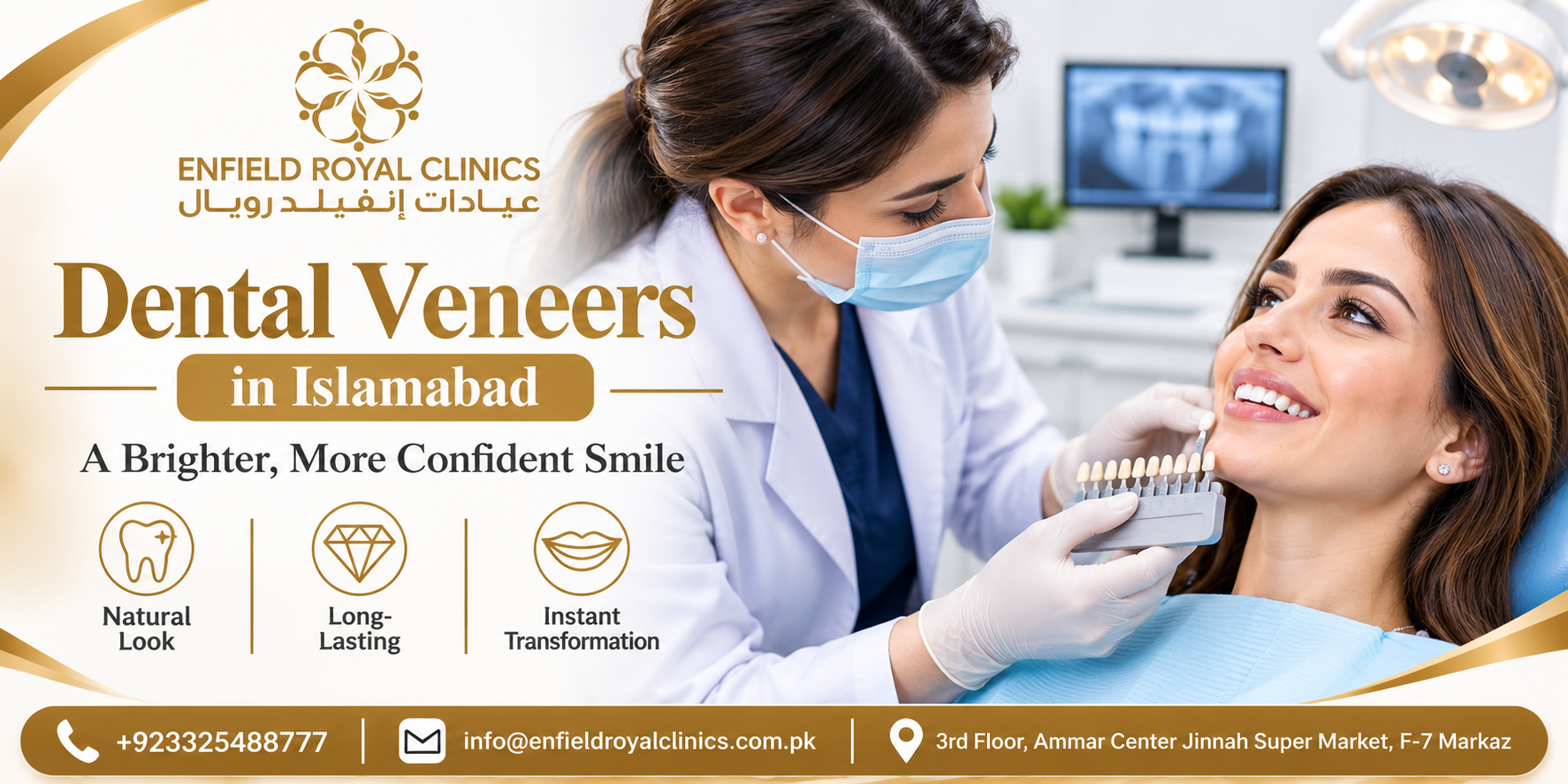

Dental veneers are a popular cosmetic dental treatment for people who want to improve the appearance of their smiles. They can cover stubborn stains, repair minor chips, close small gaps, and create a more balanced look. However, one of the most common questions patients ask before choosing this treatment is how long veneers will last.
The lifespan of dental veneers depends on several factors, including the material used, the quality of placement, oral hygiene, eating habits, and regular dental care. Some veneers can last for many years, while others may need repair or replacement sooner because of damage or poor maintenance.
For individuals considering Dental Veneers in islamabad, understanding the expected lifespan and ways to protect the results can help them make a practical, informed decision.
How Long Do Different Types of Dental Veneers Last?
Dental veneers are generally available in porcelain and composite resin materials. Both can improve smile appearance, but their durability and maintenance requirements are different.
Porcelain veneers
Porcelain veneers are custom-made shells bonded to the front surfaces of teeth. They are known for their natural appearance, strength, and resistance to staining. With proper placement and consistent care, porcelain veneers commonly last around 10 to 15 years, and some may last longer.
Their durability depends on factors such as bite pressure, oral hygiene, and whether the patient has habits like teeth grinding. Although porcelain is strong, it can still chip or crack under excessive force.
Composite veneers
Composite veneers are made from tooth-colored resin. They may be applied directly to the teeth and can often be completed in fewer appointments. They are generally less expensive than porcelain options, although exact costs vary by treatment.
Composite veneers usually last around 5 to 7 years, depending on the quality of the material, placement, and aftercare. They are more likely to stain, chip, or wear over time and may require polishing or repair.
Neither material is automatically the best choice for everyone. The most suitable option depends on the patient's dental condition, cosmetic goals, and willingness to maintain the results.
What Factors Affect the Lifespan of Dental Veneers?
The lifespan of veneers is not determined by material alone. Everyday habits and oral health can significantly influence how long they remain comfortable and attractive.
Several important factors include:
-
Oral hygiene: Poor brushing and flossing can allow plaque to build up around veneer edges, increasing the risk of gum disease and tooth decay.
-
Teeth grinding: Regular clenching or grinding places additional pressure on veneers and may cause cracks or detachment.
-
Biting habits: Chewing ice, hard sweets, or other hard objects can damage veneer surfaces.
-
Bite alignment: Uneven pressure during chewing may place excessive force on particular teeth.
-
Material quality: Porcelain and composite materials have different durability characteristics.
-
Placement quality: Proper preparation, bonding, and fitting help veneers remain secure and comfortable.
-
Routine dental care: Regular examinations can identify early signs of damage or gum problems.
People researching Dental Veneers in islamabad should discuss these factors during their consultation. Understanding personal habits and dental needs can help establish realistic expectations about how long the veneers may last.
What Are the Signs That Dental Veneers Need Replacement?
Dental veneers do not always need replacement after a fixed number of years. Some remain in good condition beyond their expected lifespan, while others may require attention earlier because of damage or changes in the underlying teeth.
Recognizing warning signs can help patients seek timely dental care.
Visible cracks or chips: Small imperfections may sometimes be repaired, but more extensive damage can require replacement.
Loose or detached veneers: A veneer that moves or comes away from the tooth should be examined. It should not be repeatedly pushed back into place or fixed with household adhesives.
Changes around the gumline: Gum recession may expose the edges of veneers or affect their appearance. Gum inflammation can also indicate an oral health problem.
Persistent discomfort or sensitivity: New or ongoing sensitivity may be related to the underlying tooth, bonding, or another dental issue.
Changes in appearance: Composite veneers may become stained or lose their smooth finish over time. Porcelain is more stain-resistant, but surrounding natural teeth may change color.
A dental examination can determine whether a veneer needs polishing, repair, rebonding, or complete replacement. Patients should avoid delaying assessment when they notice discomfort or visible damage.
How Can Patients Make Dental Veneers Last Longer?
Good daily habits can help protect veneers and the natural teeth underneath them. Although veneers cover the front surface of teeth, they do not prevent decay or gum disease.
Patients can support long-lasting results by following a consistent oral care routine.
Brush twice daily: A soft-bristled toothbrush and fluoride toothpaste help remove plaque without unnecessary abrasion.
Floss every day: Cleaning between teeth helps prevent plaque buildup near veneer edges and protects gum health.
Avoid hard objects: Ice, hard sweets, pens, and fingernails should not be bitten or chewed.
Protect against grinding: Patients who clench or grind their teeth may benefit from a custom night guard recommended after dental assessment.
Attend regular checkups: Routine examinations help monitor the condition of veneers, natural teeth, gums, and bite alignment.
Follow professional advice: Any recommended polishing, cleaning, or maintenance should be followed according to the type of veneer.
For patients choosing Dental Veneers in islamabad, these simple habits can make a meaningful difference in preserving the appearance and function of their treatment.
Can Dental Veneers Be Repaired Instead of Replaced?
Not every damaged veneer requires complete replacement. In some cases, a small chip, rough edge, or minor surface imperfection can be corrected without removing the entire veneer.
Composite veneers may be easier to repair because the resin material can sometimes be reshaped or added to. Porcelain veneers can also be repaired in selected situations, although the result depends on the location and extent of the damage.
Replacement may be necessary when a veneer has a major crack, has become significantly detached, or no longer fits properly. If decay develops underneath or around a veneer, the underlying tooth must be treated before a new cosmetic restoration is considered.
Patients should never attempt to repair a damaged veneer themselves. A professional assessment is important because the problem may involve the natural tooth rather than the veneer alone.
Are Dental Veneers a Long-Term Investment?
Dental veneers can provide long-lasting cosmetic improvements, but patients should understand that they require ongoing maintenance. Traditional porcelain veneers usually involve removing a small amount of natural enamel, making the procedure generally irreversible. Once placed, they may eventually need replacement.
The overall value of treatment depends on more than how long the veneers last. Their appearance, comfort, ability to address the patient's concerns, and maintenance requirements should also be considered.
Before choosing veneers, patients should ask about the expected lifespan of the selected material, possible repairs, replacement requirements, and alternative treatments. For example, professional whitening may be more suitable for someone whose main concern is tooth color, while orthodontic treatment may better address significant alignment problems.
A well-planned treatment can offer years of improved smile appearance when supported by good oral hygiene and appropriate dental care.
For more information visit Enfield royal clinic in islamabad
Frequently Asked Questions
1. How many years do porcelain dental veneers last?
Porcelain veneers commonly last around 10 to 15 years with proper care. Some may last longer, depending on oral hygiene, bite pressure, material quality, and maintenance.
2. Do composite veneers last as long as porcelain veneers?
No. Composite veneers generally have a shorter lifespan, often around 5 to 7 years. They may also require more frequent polishing or repair because they are more prone to staining and wear.
3. Can dental veneers last a lifetime?
Veneers are not usually considered lifetime restorations. Even well-maintained veneers may eventually need repair or replacement because of normal wear, damage, or changes in oral health.
4. Does eating hard food damage dental veneers?
Biting very hard foods or objects can chip or crack veneers. Patients should avoid chewing ice, hard sweets, and non-food objects to protect their restorations.
5. Can a broken dental veneer be repaired?
Minor damage may sometimes be repaired, depending on the material and location of the problem. More extensive cracks or fractures may require complete replacement.
6. How can patients know when veneers need replacement?
Signs may include visible cracks, loose edges, persistent discomfort, changes in fit, or problems around the gumline. A dental examination can determine whether repair or replacement is necessary.
Conclusion
Dental veneers can last for many years, but their lifespan depends on the material, placement, oral hygiene, and everyday habits. Porcelain veneers generally offer greater durability, while composite veneers may require more frequent maintenance or replacement.
Anyone considering Dental Veneers in islamabad should discuss the expected lifespan, care requirements, and possible future replacement with a dental professional. With suitable treatment planning, regular checkups, and healthy oral care habits, patients can protect their veneers and enjoy their improved smiles for years.

