

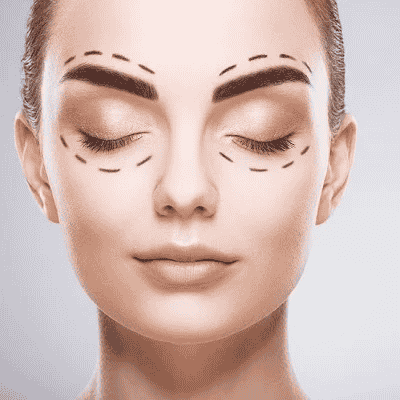

Eyelid surgery, also known as blepharoplasty, is a cosmetic procedure designed to improve the appearance of the upper eyelids, lower eyelids, or both. For many women, changes around the eyes can become noticeable with age, weight fluctuations, genetics, and natural changes in skin elasticity. Drooping upper eyelids, under-eye bags, and loose skin may create a tired or older appearance, even when a person feels energetic and healthy.
When considering Eyelid Surgery in Oman, women may have different aesthetic preferences and expectations regarding their results. While the fundamental surgical techniques are similar for men and women, differences in facial anatomy, eyelid shape, makeup habits, and beauty goals can influence the treatment approach. Understanding these factors can help women make informed decisions and develop realistic expectations about the procedure.
1. Why Do Women Consider Eyelid Surgery?
The eyes play an important role in facial expression and overall appearance. Even minor changes around the eyelids can influence how refreshed, youthful, or alert someone looks. Women may consider eyelid surgery for several cosmetic and functional reasons.
Some of the most common concerns include:
-
Drooping upper eyelids: Excess skin can accumulate above the eyes, making them appear smaller or less defined.
-
Under-eye bags: Fat deposits beneath the eyes can create persistent puffiness that may not improve with skincare products.
-
Loose eyelid skin: Reduced collagen and elastin can contribute to wrinkles and sagging.
-
Tired-looking eyes: Changes in the eyelid area can make the face appear fatigued, even after adequate rest.
-
Uneven eyelids: Natural asymmetry or age-related changes can make one eyelid look different from the other.
For some women, these concerns are primarily aesthetic. Others may experience functional problems, particularly when excess upper eyelid skin interferes with their peripheral vision.
Eyelid surgery can address selected concerns by removing or repositioning excess skin and fat. The overall objective is to create a more refreshed appearance while preserving the natural characteristics of the face.
2. How Is Eyelid Surgery Different for Women?
Although the surgical principles of blepharoplasty are generally similar for both genders, certain considerations can influence how the procedure is planned for women.
Facial Anatomy and Eyelid Shape
Women's eyelids may have different crease patterns, brow positions, and soft tissue characteristics compared with men's eyelids. However, these differences vary considerably between individuals and ethnic backgrounds.
Some women prefer a more visible upper eyelid crease, while others want to maintain their natural eyelid shape. Surgical planning should consider the existing anatomy rather than follow a standard cosmetic appearance.
Beauty Goals and Aesthetic Preferences
Women may seek eyelid surgery to achieve a refreshed and naturally youthful appearance without making the eyes look dramatically different.
Common aesthetic goals include:
-
Reducing excess skin around the upper eyelids.
-
Improving the appearance of under-eye bags.
-
Maintaining natural eyelid contours.
-
Creating a more rested and open-eyed appearance.
-
Improving facial balance without changing individual features.
A suitable surgical plan focuses on the patient's facial proportions and personal preferences rather than creating an exaggerated result.
Skin Quality and Age-Related Changes
Skin quality is another important consideration. Hormonal changes, ageing, sun exposure, and genetics can influence the elasticity and thickness of the skin surrounding the eyes.
As collagen production gradually decreases, the eyelid skin may become thinner and less firm. This can contribute to fine lines, wrinkles, and loose skin.
A proper assessment helps determine whether upper eyelid surgery, lower eyelid surgery, or a combination of both may be appropriate.
3. Different Types of Eyelid Surgery Available for Women
Blepharoplasty can be performed on the upper eyelids, lower eyelids, or both, depending on the concerns being addressed.
Upper Eyelid Surgery
Upper eyelid surgery focuses on removing or adjusting excess skin and, when appropriate, underlying fat from the upper eyelid area.
Women may consider this procedure when loose skin creates a heavy appearance or affects the natural eyelid crease.
The procedure generally involves an incision placed within the natural eyelid crease. This placement helps make the resulting scar less noticeable once healing is complete.
Potential benefits include:
-
A more defined upper eyelid contour.
-
Reduced heaviness around the eyes.
-
A refreshed facial appearance.
-
Improved vision in cases where excess skin obstructs the visual field.
Lower Eyelid Surgery
Lower eyelid surgery addresses concerns such as under-eye bags, puffiness, and loose skin beneath the eyes.
Depending on the patient's anatomy, the procedure may involve removing or repositioning fat and tightening excess skin.
In some cases, an incision is made just below the lower eyelashes. In others, an incision may be placed inside the lower eyelid to access and reposition fat without creating an external skin incision.
The appropriate technique depends on skin quality, fat distribution, and the presence of wrinkles or laxity.
Combined Upper and Lower Eyelid Surgery
Some women experience concerns affecting both the upper and lower eyelids. In these situations, combining procedures may be considered.
Treating both areas can provide a more balanced improvement in the appearance of the eyes. However, whether combined surgery is suitable depends on general health, individual anatomy, and the expected recovery process.
4. What Should Women Expect Before, During, and After Eyelid Surgery?
Understanding the different stages of eyelid surgery can help women prepare for the experience and recovery period.
Before the Procedure
The process begins with a detailed consultation and examination. The patient's medical history, eye health, skin condition, and cosmetic expectations are reviewed.
The assessment may include:
-
Evaluating the amount of excess eyelid skin.
-
Checking the position of the eyebrows.
-
Assessing fat distribution around the eyes.
-
Reviewing any history of dry eyes or previous eye surgery.
-
Discussing medications and existing medical conditions.
-
Establishing realistic expectations about the outcome.
Patients may also receive instructions about medication adjustments, smoking cessation, and other preparation requirements.
During the Procedure
Eyelid surgery is commonly performed using local anaesthesia with sedation or general anaesthesia, depending on the surgical plan and individual circumstances.
The surgeon makes carefully planned incisions, removes or repositions excess tissue when necessary, and closes the incisions using appropriate sutures.
The procedure may take approximately one to three hours, depending on whether the upper eyelids, lower eyelids, or both are treated. The actual duration varies.
After the Procedure
Mild swelling, bruising, tightness, and temporary discomfort are common during the initial recovery period.
Patients are generally advised to:
-
Follow all postoperative care instructions.
-
Apply cold compresses as recommended.
-
Keep the head elevated when resting.
-
Avoid strenuous exercise until cleared.
-
Protect the eye area from direct sunlight.
-
Avoid rubbing or putting pressure on the eyelids.
-
Attend scheduled follow-up appointments.
Many patients can resume light daily activities within approximately one to two weeks, although complete healing and the settling of final results may take several weeks or longer.
5. Recovery and Results: What Makes the Experience Different for Women?
Recovery from eyelid surgery is generally similar for women and men. However, individual lifestyle habits, personal responsibilities, and cosmetic preferences may influence how patients manage the healing process.
For example, women who regularly wear eye makeup may need to temporarily avoid mascara, eyeliner, eyeshadow, and other products around the surgical area. Makeup should only be resumed when the treating surgeon confirms that the incisions have healed sufficiently.
Contact lenses may also need to be avoided temporarily, depending on the procedure and postoperative condition.
Managing Swelling and Bruising
Swelling and bruising are particularly noticeable during the first few days after surgery. These symptoms usually improve gradually.
Following postoperative instructions is important for supporting proper healing and reducing unnecessary irritation.
When Can Women Return to Normal Activities?
The recovery timeline differs from one patient to another. Many women return to desk-based work and light activities within 7 to 14 days, depending on the extent of surgery and the healing process.
More demanding activities, including strenuous exercise, should be resumed only after medical clearance.
How Long Do the Results Last?
Eyelid surgery can provide long-lasting improvements, although it does not stop the natural ageing process.
The results may remain noticeable for many years. However, skin elasticity, genetics, lifestyle, and environmental exposure can influence how the eyelids change over time.
Maintaining a healthy lifestyle and protecting the skin from excessive sun exposure can help support long-term skin health.
6. Risks, Safety Considerations, and Choosing the Right Candidate
Like any surgical procedure, eyelid surgery involves potential risks. Women considering blepharoplasty should understand these risks before making a decision.
Possible complications include:
-
Swelling and bruising.
-
Temporary dry or irritated eyes.
-
Difficulty closing the eyes completely.
-
Temporary blurred vision.
-
Infection or bleeding.
-
Noticeable scarring.
-
Asymmetry between the eyelids.
-
Changes in eyelid position.
-
Rare vision-related complications.
The risk of complications can vary depending on the patient's health, anatomy, surgical technique, and postoperative care.
Who May Be a Suitable Candidate?
Women who are generally healthy, have realistic expectations, and are concerned about excess eyelid skin or under-eye bags may be suitable candidates.
However, certain conditions require additional assessment. These include dry eye syndrome, thyroid-related eye conditions, previous eye surgery, and medical problems that may affect healing.
A qualified surgeon should carefully evaluate each patient before recommending treatment.
Important Questions to Ask During a Consultation
Before proceeding, women may find it helpful to discuss:
-
Which type of eyelid surgery is appropriate for their concerns?
-
What results can realistically be achieved?
-
What are the possible risks and complications?
-
How long will recovery take?
-
When can normal activities and makeup be resumed?
-
How should the eyes be cared for after surgery?
Having clear answers to these questions can help patients feel more confident and prepared.
Frequently Asked Questions About Eyelid Surgery for Women
1. Is eyelid surgery different for women than for men?
The basic surgical techniques are similar for both genders. However, differences in eyelid anatomy, brow position, facial proportions, and aesthetic preferences can influence surgical planning. Women may prefer results that preserve their natural eyelid shape while creating a refreshed appearance.
2. Does eyelid surgery make women look younger?
Eyelid surgery can reduce excess skin, puffiness, and under-eye bags, which may contribute to a more youthful and rested appearance. However, it does not eliminate all signs of ageing or address every concern affecting the face.
3. How long does recovery from eyelid surgery take?
Initial recovery generally takes around one to two weeks. Swelling and bruising gradually improve, while complete healing and final results may take several weeks or longer.
4. Can women wear makeup after eyelid surgery?
Makeup should be avoided around the operated area until the incisions have healed and the surgeon provides approval. Eye makeup, including mascara and eyeliner, may need to be postponed to reduce irritation and infection risks.
5. Are the results of eyelid surgery permanent?
The improvements can last for many years, but the procedure does not prevent natural ageing. Over time, the skin may gradually lose elasticity, and additional changes around the eyes may occur.
6. Is eyelid surgery suitable for younger women?
Age alone does not determine suitability. Younger women with genetically inherited under-eye bags, excess eyelid skin, or other specific concerns may be considered candidates after an appropriate medical assessment. The decision should be based on individual needs and overall health.
Final Thoughts
Eyelid surgery can be an option for women who want to address drooping eyelids, excess skin, or persistent under-eye bags. Although the fundamental procedure is similar for both men and women, individual facial anatomy, skin characteristics, and aesthetic preferences play an important role in treatment planning.
The most suitable approach depends on the patient's concerns, overall health, and desired outcome. A thorough consultation, realistic expectations, and appropriate postoperative care are essential for achieving safe and natural-looking results.
For women exploring eyelid surgery, understanding the available techniques, recovery expectations, and potential risks is an important first step towards making an informed decision.
Read More About Eyelid Surgery: https://u-ssr.com/read-blog/19810

