

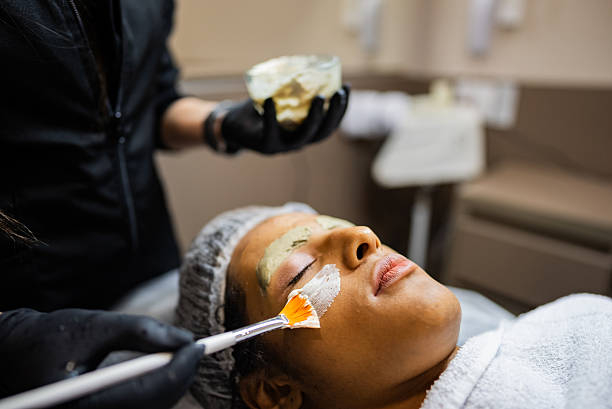

Knowing what happens at each stage of a professional skin treatment can make the experience easier to plan. A chemical peel involves more than the application of an exfoliating solution: the process includes a skin assessment, preparation, controlled application, and recovery guidance. When considering a Chemical Peel in Dubai, understanding these stages helps patients make informed decisions and follow appropriate aftercare.
The exact experience varies according to the formulation, treatment depth, skin sensitivity, and the concerns being addressed. A superficial peel generally involves less recovery than a medium-depth or deep procedure.
Before Your Chemical Peel in Dubai Consultation
The consultation is an important first step. A dermatologist or qualified practitioner should evaluate the skin and determine whether a peel is appropriate.
Skin Assessment Before a Chemical Peel in Dubai
The assessment may cover:
-
Skin type and sensitivity
-
Acne, pigmentation, and texture concerns
-
Previous reactions to skincare products
-
History of chemical peels or cosmetic procedures
-
Current prescription and over-the-counter products
-
Recent sun exposure or tanning
-
Medical conditions that may affect healing
The practitioner should also ask about cold sores, allergies, active infections, and previous abnormal scarring where relevant.
This information helps determine the most appropriate peel formulation and depth.
Discussing Your Treatment Goals
Be clear about what you want to improve. For example, reducing superficial acne marks is different from treating indented acne scars or persistent melasma.
A dermatologist can explain whether a peel is likely to help and whether another treatment may be more suitable.
Patients should also discuss realistic outcomes, possible side effects, expected recovery, and the number of sessions that may be recommended.
How to Prepare for a Chemical Peel in Dubai
Preparation depends on the peel type and the condition of the skin. Your practitioner may provide specific instructions before the appointment.
Adjusting Your Skincare Routine
Certain products can increase skin sensitivity. Depending on your treatment plan, you may be advised to temporarily pause:
-
Retinoids and retinol products
-
Exfoliating acids such as glycolic or salicylic acid
-
Physical scrubs and abrasive cleansers
-
Strong acne treatments
-
Other potentially irritating topical products
Follow the clinic's instructions rather than changing your routine independently. Do not stop prescribed medication without consulting the prescribing professional.
Avoiding Sun Exposure and Irritation
Avoid tanning and excessive sun exposure before treatment. Sunburned or irritated skin may not be suitable for a peel.
It is also important to tell your practitioner about recent waxing, laser procedures, or other treatments that may affect the skin barrier.
What to Bring Up During Your Appointment
Make sure the practitioner knows about any new medication, skin reaction, illness, or change in your skin condition since the consultation.
If you have a history of cold sores, discuss it before treatment, especially if the peel involves areas around the mouth.
What Happens During a Chemical Peel Session?
A professional peel follows a planned process. The exact steps depend on the product and the treatment area.
Step 1: Cleansing and Skin Preparation
The treatment area is cleaned to remove makeup, oil, sunscreen, and surface impurities.
The practitioner may prepare the skin according to the selected formulation. Areas that should not receive the solution are protected as required by the treatment protocol.
Step 2: Applying the Chemical Solution
The selected peel is applied carefully and evenly to the planned area. The formulation may contain ingredients such as glycolic acid, salicylic acid, lactic acid, or trichloroacetic acid.
The ingredient, concentration, pH, contact time, and application method influence the treatment depth.
Step 3: Monitoring the Skin Response
During application, the practitioner monitors the skin for the expected response and any signs of excessive irritation.
Patients may notice tingling, warmth, or stinging. The sensation varies according to the peel and personal sensitivity.
Tell the practitioner immediately if the discomfort feels unusually intense.
Step 4: Removing or Neutralising the Peel
Some products require neutralisation or removal after a specified period. Other formulations follow different instructions and may remain on the skin for a prescribed time.
The practitioner will follow the product-specific protocol and explain what to do after leaving the clinic.
Step 5: Applying Post-Treatment Skincare
A soothing product or moisturiser may be applied, followed by suitable sun protection when appropriate.
Before leaving, patients should receive clear instructions about cleansing, moisturising, sun exposure, and products to avoid.
What Your Skin May Look Like Immediately Afterwards
The immediate response depends on the peel's strength and the individual's skin.
Possible short-term effects include:
-
Mild redness
-
Warmth or tightness
-
Temporary dryness
-
Slight swelling or sensitivity
-
A smoother or refreshed appearance
-
Gradual flaking over the following days
Not every patient experiences visible peeling. Some superficial treatments cause minimal flaking, while stronger peels can produce more noticeable skin shedding.
Recovery After a Chemical Peel in Dubai
Recovery is not identical for every treatment. A superficial peel may cause mild dryness, while medium-depth and deep procedures can involve more significant redness and peeling.
The First Few Days
The skin may feel dry, tight, or sensitive. Gentle cleansing and moisturising help support the skin barrier.
Avoid rubbing, scratching, or manually removing loose skin. Allow the shedding process to occur naturally.
During the Peeling Stage
Depending on treatment depth, visible flaking may develop over several days. Some areas may peel more than others.
Do not use scrubs or exfoliating tools to speed up the process. This can irritate recovering skin and increase the risk of pigmentation changes.
Returning to Your Regular Skincare Routine
The timing for restarting active ingredients depends on the peel and how the skin has healed.
Ask your practitioner when to resume retinoids, exfoliating acids, acne products, and other active formulations. Introduce products only when the skin is ready and follow professional guidance.
Essential Aftercare Following a Chemical Peel
Aftercare is an important part of the treatment plan.
Keep the Skin Clean and Moisturised
Use a gentle cleanser and an appropriate moisturiser. Avoid fragranced or irritating products if the skin is sensitive.
Protect Against Sun Exposure
Use broad-spectrum sunscreen and limit direct sun exposure while the skin recovers. Sun protection is especially important for patients prone to pigmentation.
Avoid Picking and Aggressive Exfoliation
Peeling skin should not be pulled or scrubbed away. Allow it to shed naturally to reduce the risk of irritation, infection, and uneven healing.
Follow Individual Medical Instructions
Your practitioner may provide additional instructions based on the treatment area and peel formulation. Contact the clinic if you experience severe pain, blistering, worsening swelling, or signs of infection.
When Will You Notice Results?
Some patients notice a brighter or smoother appearance after a superficial peel, while other improvements develop gradually.
Pigmentation and acne-related concerns may require several sessions and a broader skincare plan. The timing depends on the underlying condition, treatment depth, and individual response.
A chemical peel cannot guarantee complete removal of scars, dark spots, or wrinkles. Follow-up assessment helps determine whether the treatment is producing the expected improvement.
Clinic Note
The most important part of a chemical peel is not simply how long the solution remains on the skin. Appropriate patient selection, correct formulation, controlled application, and careful aftercare all influence safety and results. Patients should receive clear instructions before leaving the clinic and know whom to contact if an unexpected reaction develops.
Frequently Asked Questions
1. Should I stop using retinol before a chemical peel?
Your practitioner may recommend pausing retinol or other active ingredients before treatment. The timing depends on your skin and the selected peel.
2. Can I wear makeup immediately after a chemical peel?
This depends on the peel depth and the condition of your skin. Follow your practitioner's instructions and wait until makeup can be applied without irritating the treated area.
3. How long does a chemical peel appointment take?
Many appointments take approximately 30 to 60 minutes, including preparation and treatment. The actual duration varies by formulation and treatment area.
4. Is redness normal after a chemical peel?
Mild temporary redness can occur. Severe, worsening, or persistent redness should be discussed with your treating professional.
5. Can I exercise after a chemical peel?
Your practitioner may advise avoiding strenuous exercise, excessive heat, and activities that increase irritation for a period after treatment.
6. When can I use exfoliating products again?
Wait until the skin has recovered and your practitioner confirms that active ingredients can be restarted.
7. Is peeling necessary for the treatment to work?
No. Some superficial peels produce little visible shedding. The treatment effect cannot be judged only by how much skin peels.
Plan Your Skin Treatment at Tajmeels Clinic
A well-planned treatment starts with understanding your skin and knowing what to expect throughout the process. At Tajmeels Clinic, a professional consultation can help determine whether a peel is suitable, which formulation may be appropriate, and how to prepare for recovery.
If you are considering a Chemical Peel in Dubai, speak with the clinic's dermatology team about your skin concerns, treatment expectations, and personalised aftercare plan.

