

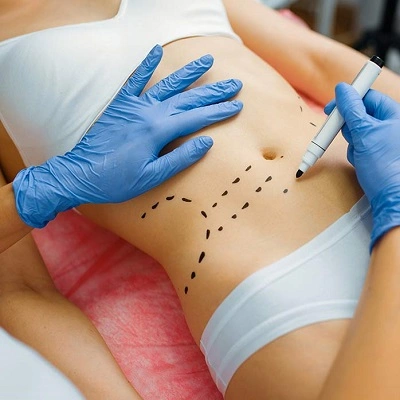
Belly fat is one of the most common aesthetic concerns among individuals who want a slimmer, more defined body shape. Even with regular exercise and a balanced diet, stubborn fat deposits around the abdomen can sometimes remain difficult to reduce. Factors such as genetics, hormonal changes, ageing, lifestyle habits, and natural fat distribution can all influence where the body stores excess fat. As a result, some individuals explore non-surgical cosmetic treatments to improve the appearance of specific areas.
Fat Melting Injections are among the treatments that attract attention from individuals looking to target localised fat deposits without undergoing traditional surgery. These injections are designed to break down fat cells in selected areas, allowing the body to gradually process and eliminate the treated fat. Depending on the active ingredient, treatment area, and individual suitability, they may help improve the appearance of small, stubborn fat pockets. However, their effectiveness for belly fat depends on several factors, and they should not be considered a replacement for weight management or a healthy lifestyle.
1. What Are Fat Melting Injections and How Do They Work?
Fat melting injections are cosmetic treatments designed to reduce localised fat deposits in specific areas of the body. They generally involve injecting a fat-dissolving substance into targeted tissue to disrupt fat cells. The body's natural processes then help clear the affected cellular material over time.
One commonly used fat-dissolving ingredient is deoxycholic acid, a substance involved in the breakdown and absorption of dietary fat. Prescription formulations containing deoxycholic acid are approved in certain countries for reducing fat beneath the chin in adults. Other injectable products may contain different ingredients and have different indications, levels of evidence, and safety considerations.
The exact mechanism depends on the formulation being used.
In general, the treatment process may involve the following stages:
-
Targeted injection: The selected product is administered into a specific area containing localised fat.
-
Fat-cell disruption: The active ingredient damages or destroys targeted fat cells.
-
Inflammatory response: The body initiates a local healing and clearance process.
-
Natural elimination: Cellular debris is gradually processed and removed through the body's normal mechanisms.
-
Visible improvement: The treated area may gradually appear more contoured as swelling settles and the healing process progresses.
It is important to understand that fat-dissolving injections are not all interchangeable. Different products have different compositions, regulatory approvals, and safety profiles. A treatment intended for the chin should not automatically be assumed to be suitable for the abdomen.
2. Can Fat Melting Injections Actually Get Rid of Belly Fat?
Fat melting injections may help reduce certain localised fat deposits, but their ability to treat belly fat depends on the specific product and whether it is approved and clinically appropriate for abdominal use.
The abdomen can store fat in two main forms:
Subcutaneous Fat
Subcutaneous fat is located directly beneath the skin. It is the softer fat that can usually be pinched between the fingers. This type of fat contributes to visible abdominal fullness and may be the target of certain body-contouring procedures.
Visceral Fat
Visceral fat is stored deeper inside the abdominal cavity, surrounding internal organs. It cannot be pinched from the outside and is associated with health conditions such as insulin resistance, cardiovascular disease, and type 2 diabetes.
Cosmetic fat-dissolving injections are not designed to remove visceral fat. They also cannot treat obesity or provide the health benefits associated with reducing excessive internal abdominal fat.
For individuals concerned about a small, localised fat pocket, a suitable body-contouring procedure may offer an option after proper assessment. However, evidence supporting injectable fat-dissolving treatments for the abdomen is more limited than the evidence for certain other treatment areas.
A qualified healthcare professional should evaluate the abdominal area and determine whether the proposed product is appropriate. The treatment should never be used simply because an injectable formulation is marketed as a fat-melting solution.
3. Who May Be a Suitable Candidate for Fat Melting Injections?
Fat melting injections are generally intended for individuals seeking improvements in specific areas rather than substantial overall weight reduction.
A suitable candidate may have relatively stable body weight and a small amount of localised fat that remains noticeable despite maintaining healthy lifestyle habits.
Several factors may influence treatment suitability.
Localised Fat Deposits
Individuals with small, clearly defined pockets of subcutaneous fat may be considered for certain fat-reduction procedures. The size and location of the deposit are important when selecting an appropriate treatment.
Stable Body Weight
People whose weight remains relatively consistent may be better candidates for body-contouring treatments than those experiencing significant weight fluctuations.
Realistic Expectations
Fat-dissolving injections are not intended to create dramatic weight loss or completely transform the abdomen. They are designed for targeted cosmetic improvement where an appropriate treatment is available.
Good General Health
Medical history plays an important role in determining suitability. Certain health conditions, allergies, infections, and medications may increase the risk of complications.
A professional assessment is particularly important for individuals who have:
-
A history of significant abdominal surgery.
-
Existing skin infections or inflammation.
-
Bleeding or clotting disorders.
-
Allergies to ingredients in the proposed product.
-
Pregnancy or breastfeeding.
-
Significant abdominal weight gain or suspected visceral fat accumulation.
Individuals with substantial excess weight may benefit more from evidence-based weight-management support than from a localised cosmetic procedure.
4. What Areas Can Fat Melting Injections Treat?
The treatment areas depend on the specific injectable formulation and its approved use. Not every fat-dissolving product is suitable for every body region.
Some injectable formulations are specifically approved for reducing submental fat, which is the fat located beneath the chin. Other products are marketed for different body areas, but their safety and effectiveness may not be established to the same standard.
Common areas discussed in cosmetic body-contouring treatments include:
Under the Chin
Small fat deposits beneath the chin can create the appearance of a double chin. Certain approved deoxycholic acid treatments are specifically intended to improve this area.
Abdominal Area
The stomach and lower abdomen are common areas where individuals notice stubborn subcutaneous fat. However, injectable treatments for these areas require careful product-specific assessment because evidence and regulatory approval vary.
Flanks and Waistline
Fat around the sides of the waist can affect the body's overall silhouette. Some individuals explore non-surgical contouring options to improve these areas.
Thighs and Upper Arms
Localised fat deposits in the thighs and upper arms may also be aesthetic concerns. Treatment suitability depends on the amount of fat, skin condition, and the specific product being considered.
It is essential to distinguish between treatments that have established clinical evidence and those promoted primarily through cosmetic marketing. A product's advertised treatment areas do not automatically establish its safety or effectiveness.
5. How Long Does It Take to See Results From Fat Melting Injections?
Results from fat-dissolving injections are generally not immediate. The body requires time to respond to treatment, process damaged fat cells, and allow local swelling to settle.
The timeline varies depending on the active ingredient, treatment area, number of sessions, and individual healing response.
The process may involve several stages:
-
First few days: Swelling, tenderness, redness, and bruising may occur around the injection sites.
-
Following weeks: Local inflammation gradually settles as the body processes the treated tissue.
-
Several weeks later: Any visible contour changes may become easier to assess.
-
After multiple sessions, if appropriate: Some treatments require a series of sessions to achieve the intended result.
The number of sessions cannot be determined without knowing the exact product and treatment area. Some approved treatments involve multiple sessions, while other formulations have different protocols.
Before beginning treatment, individuals should ask about expected results, recovery time, possible side effects, and the clinical evidence supporting the specific product.
Photographs taken under consistent lighting and positioning may help evaluate changes more accurately than relying on day-to-day visual observations.
6. What Are the Benefits, Risks, and Alternatives to Fat Melting Injections?
Fat melting injections may appeal to individuals who prefer a targeted cosmetic approach without traditional surgery. However, the potential benefits must be considered alongside their limitations and possible complications.
Potential Benefits
Depending on the approved product and treatment area, possible advantages may include:
-
Targeted treatment of localised fat deposits.
-
A non-surgical approach for suitable areas.
-
No general anaesthesia for many injectable procedures.
-
Gradual cosmetic changes.
-
A relatively short treatment appointment.
However, these benefits should not be interpreted as guarantees of effectiveness or suitability for abdominal fat reduction.
Possible Side Effects
Common local reactions may include:
-
Swelling.
-
Bruising.
-
Redness.
-
Tenderness.
-
Pain or discomfort.
-
Firmness around the treated area.
-
Temporary numbness.
More serious complications can occur, including infection, skin ulceration, tissue damage, uneven contours, and injury to nearby structures. The type and likelihood of complications depend on the product, injection technique, and treatment location.
An incorrectly selected product or inappropriate injection depth can increase the risk of serious harm. Unapproved fat-dissolving injections and products obtained from unreliable sources should be avoided.
Alternatives for Reducing Belly Fat
Individuals who want to improve abdominal fat levels may also consider other approaches.
-
Balanced Nutrition: A sustainable calorie deficit can help reduce overall body fat.
-
Regular Exercise: Combining cardiovascular activity with resistance training supports weight management and overall fitness.
-
Medical Weight Management: Eligible individuals may benefit from professionally supervised weight-management programmes.
-
Non-Surgical Body Contouring: Certain technologies, including cryolipolysis, use controlled cooling to target selected subcutaneous fat deposits. Suitability and results depend on the device and treatment area.
-
Surgical Procedures: Liposuction may be considered for selected individuals seeking more substantial removal of localised subcutaneous fat.
No cosmetic body-contouring treatment should be considered a substitute for managing visceral fat or addressing underlying health risks associated with excess weight.
Frequently Asked Questions (FAQs)
1. Can fat melting injections remove belly fat permanently?
Fat-dissolving treatments are designed to damage targeted fat cells, and destroyed cells do not regenerate in the same way as living fat cells. However, remaining fat cells can enlarge if an individual gains weight. The long-term outcome also depends on the specific product, treatment area, and clinical evidence supporting its use.
2. Are fat melting injections effective for lower belly fat?
Their effectiveness depends on the type of fat and the injectable formulation. Small pockets of subcutaneous fat may be suitable for certain body-contouring approaches, but injectable treatments for the abdomen have varying levels of evidence and regulatory approval. A professional assessment is necessary before considering treatment.
3. How many fat melting injection sessions are needed for belly fat?
There is no universal number of sessions. The required treatment plan depends on the product, treatment area, amount of localised fat, and individual response. A qualified practitioner should explain the evidence-based protocol for the specific formulation rather than promising a fixed number of sessions.
4. Do fat melting injections help with visceral belly fat?
No. Cosmetic fat-dissolving injections are not designed to target visceral fat, which is located deep inside the abdominal cavity around internal organs. Visceral fat is generally managed through sustainable weight reduction, physical activity, nutritional changes, and medical support when necessary.
5. Are fat melting injections painful?
Some individuals experience mild to moderate discomfort during and after injections. Temporary burning, tenderness, swelling, and bruising may also occur. The level of discomfort depends on the product, injection technique, and individual sensitivity.
6. Are fat melting injections safer than liposuction?
Injectable treatments do not involve surgical fat removal, but that does not automatically make them safer. Both procedures carry potential risks, and their suitability depends on the treatment area, product, individual health, and practitioner expertise. A professional consultation can help identify the most appropriate option.
Final Thoughts
Fat melting injections may offer a targeted approach to reducing certain localised fat deposits, but their ability to get rid of belly fat depends on the treatment formulation, type of abdominal fat, and individual suitability.
While subcutaneous fat may be addressed through selected body-contouring procedures, visceral fat requires a different approach focused on overall health and sustainable weight management. It is also important to remember that not all injectable fat-dissolving products have the same clinical evidence or regulatory approval.
Individuals considering treatment should seek a thorough assessment from a qualified healthcare professional and confirm that the proposed product is appropriate and authorised for the intended treatment area. Understanding the potential benefits, limitations, and risks can help them make informed decisions and choose a realistic approach to improving abdominal contours.
Read More About Fat Melting Injections: https://u-ssr.com/read-blog/20741

